Why multilateralism matters for the Asia-Pacific region










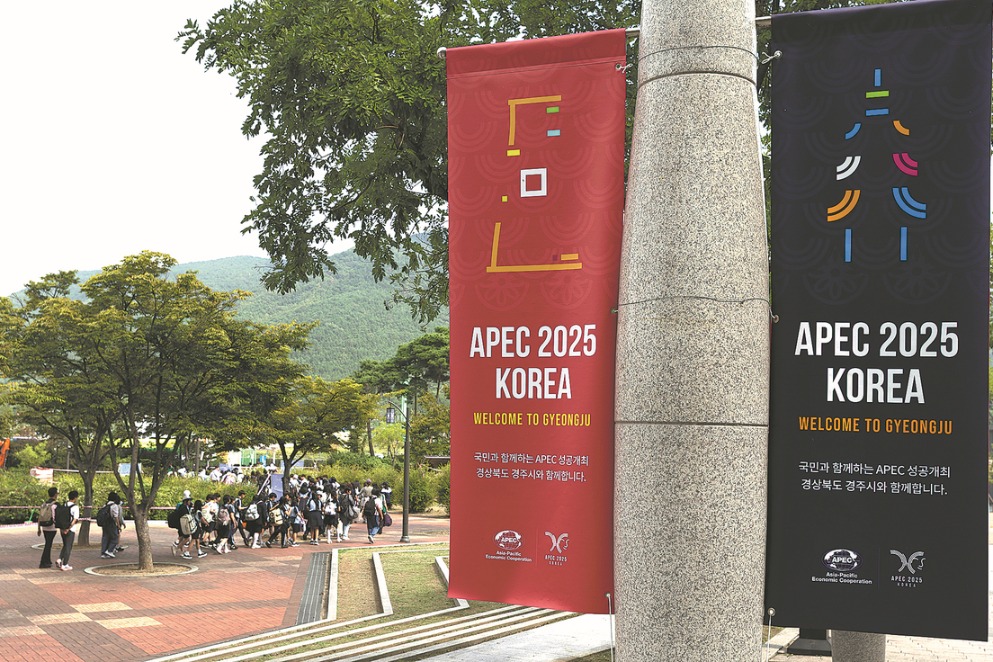
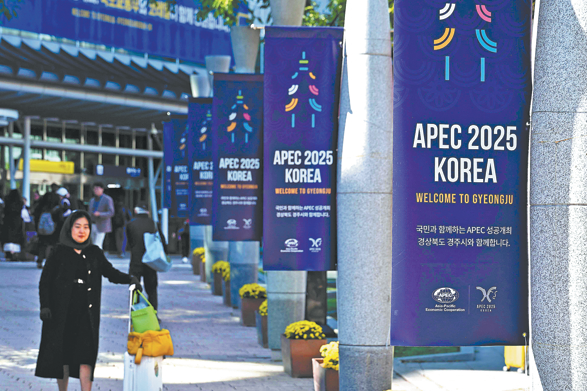
Leaders from around the region and beyond have been coming together for meetings associated with the Association of Southeast Asian Nations and the Asia-Pacific Economic Cooperation. When leaders of APEC economies gather in Gyeongju, the Republic of Korea, from Oct 31 to Nov 1 for the 2025 APEC Economic Leaders' Meeting, they may well reflect on how many of the concerns from APEC's first ministerial meeting in 1989 have reemerged today. Back then, when ministers from 12 Asia-Pacific economies attended the first conference in Canberra, there were similar concerns about rising protectionism and the potential for a trade war erupting between the world's then two largest economic powers, the United States and Japan.
Today, the same concerns about rising protectionism, driven by nationalism and a backlash against globalization, are back. Some issues have become more pressing, such as dealing with climate change and ensuring more sustainable growth, while new issues such as the challenges posed by the rapid development of artificial intelligence have emerged, all of which are on the agenda of the ASEAN and APEC meetings.
The undermining of global institutions such as the WTO and the erosion of a rules-based world trading system present new challenges, as well as opportunities, for groupings such as ASEAN and APEC. In its original conception, APEC had advocated non-discrimination and had become the benchmark for regional groupings seeking to pursue "open regionalism". That is, to use regionalism as a building rather than a stumbling block, toward free and open trade that promotes globalism. This is exactly what the original ASEAN members have been doing by voluntarily multilateralizing, or offering preferential tariffs to non-members on a most favored nation basis. It could be argued that institutions like APEC have an even more important role to play now, in ensuring the world trading system remains free and open.
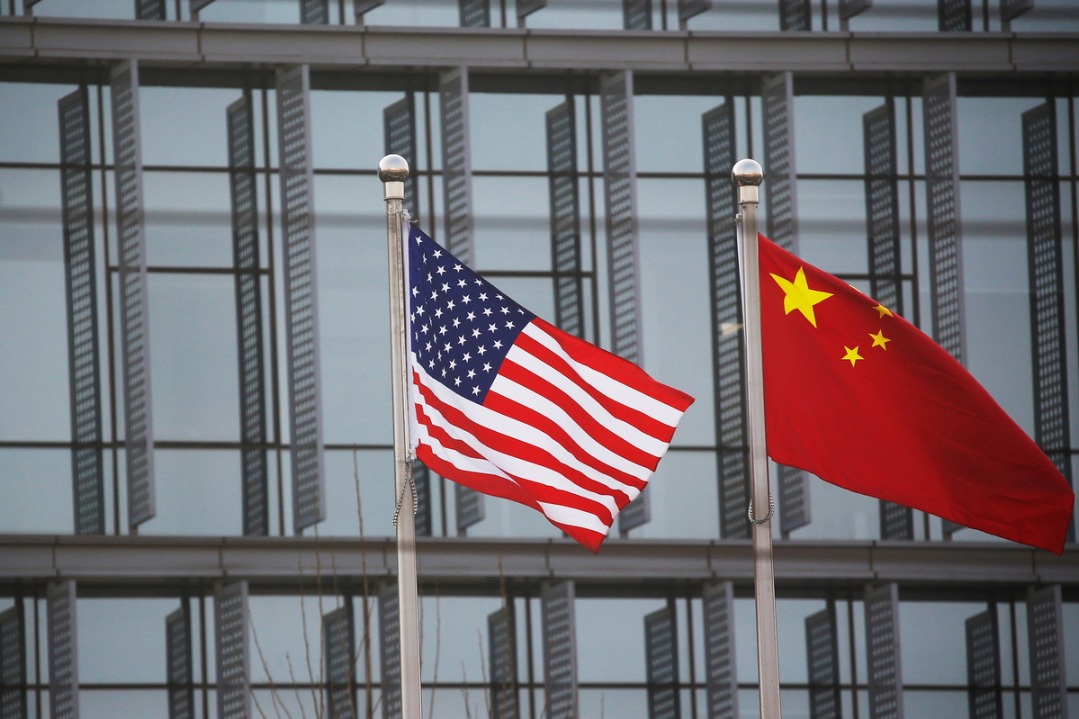
In purely practical terms, the APEC meeting marked the first face-to-face meeting between Chinese President Xi Jinping and US President Donald Trump since the latter began his second term in the White House. It also brings into relief the fact that APEC is the only regional economic cooperation initiative that includes both the US and China.
Indeed, the meeting could not have come at a more opportune time, with negotiations between the two countries still ongoing, punctuated by periodic flare-ups in tensions that threaten to boil over. This uncertainty resulting from the trade brawl needs to end, and hopefully this meeting will help create the right incentive for a fair and rational deal to be struck.
Apart from these regional groupings, there is the Comprehensive and Progressive Agreement for Trans-Pacific Partnership with four members from ASEAN and seven from the RCEP. China has applied to join it. The CPTPP is considered the "gold standard" as far as the depth and quality of FTAs are concerned. The RCEP is less ambitious but forms the largest FTA in the world, having brought together key members involved in regional manufacturing supply chains. Like APEC, these institutions gain in importance when multilateralism is undermined. These institutions can help lock in the gains that have been made in liberalizing trade, by preventing backtracking. Through their commitment to openness, they might be able to make progress in liberalizing select sectors and policy areas despite rising disenchantment with globalization from certain countries.
If ASEAN lies at the center of the RCEP, its supply chains remain China-centered. The RCEP has open rules of origin and seeks to harmonize rules and regulations throughout the region. Such regulatory convergence will significantly reduce the cost of doing business in the region. Although the RCEP came into force in 2022, it has been slow to make tangible progress with its accords. It is, however, expected to speed up implementation of its work program, particularly after the establishment of the RCEP Support Unit in December 2024. The RCEP should rise to the challenge of filling the void created by the backsliding on multilateralism.
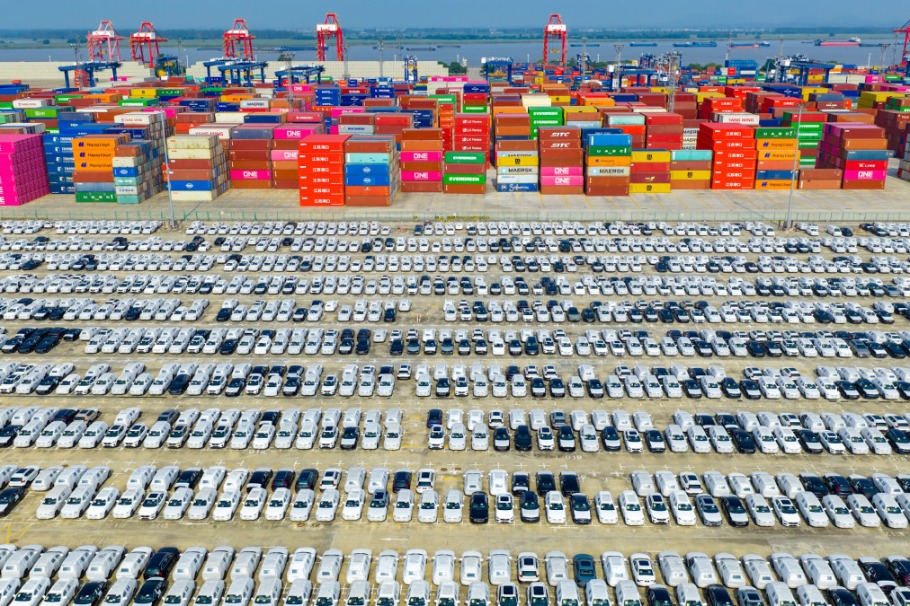
China has other initiatives that can support supply chains in ASEAN and beyond. The Belt and Road Initiative is a key program designed to increase connectivity within and between regions, at a time when bilateral and multilateral financing is facing challenges. Trade costs are directly related to the level of connectivity, and as these costs come down, integration will rise. Reducing these trade costs is critical to supporting the growth and spread of regional supply chains. China's Global Development Initiative complements this program by supporting smaller-scale investments in the soft sectors. A healthy and skilled workforce is equally important to support regional supply chains and ensure inclusive development.
China has been a major proponent of multilateral free trade. China's role in the green transition globally, as an important player in the "new three" industries of electric vehicles, renewable energy, and battery technologies, is dependent on such a system. As the world's largest trading nation, it has everything to gain from preserving multilateralism.
The US was one of the major architects of this rules-based international trading system. If it continues to seek to overhaul the system, overlook the enormous benefits that it has reaped, the whole world will lose and pay the price. Fortunately the talks between the leaders of the two largest economies have brought a sigh of relief for the time being.

The views don't necessarily reflect those of China Daily.
If you have a specific expertise, or would like to share your thought about our stories, then send us your writings at opinion@chinadaily.com.cn, and comment@chinadaily.com.cn.