US rare earth drive faces uphill battle
Experts: Self-reliance push hindered by political uncertainty, market risks









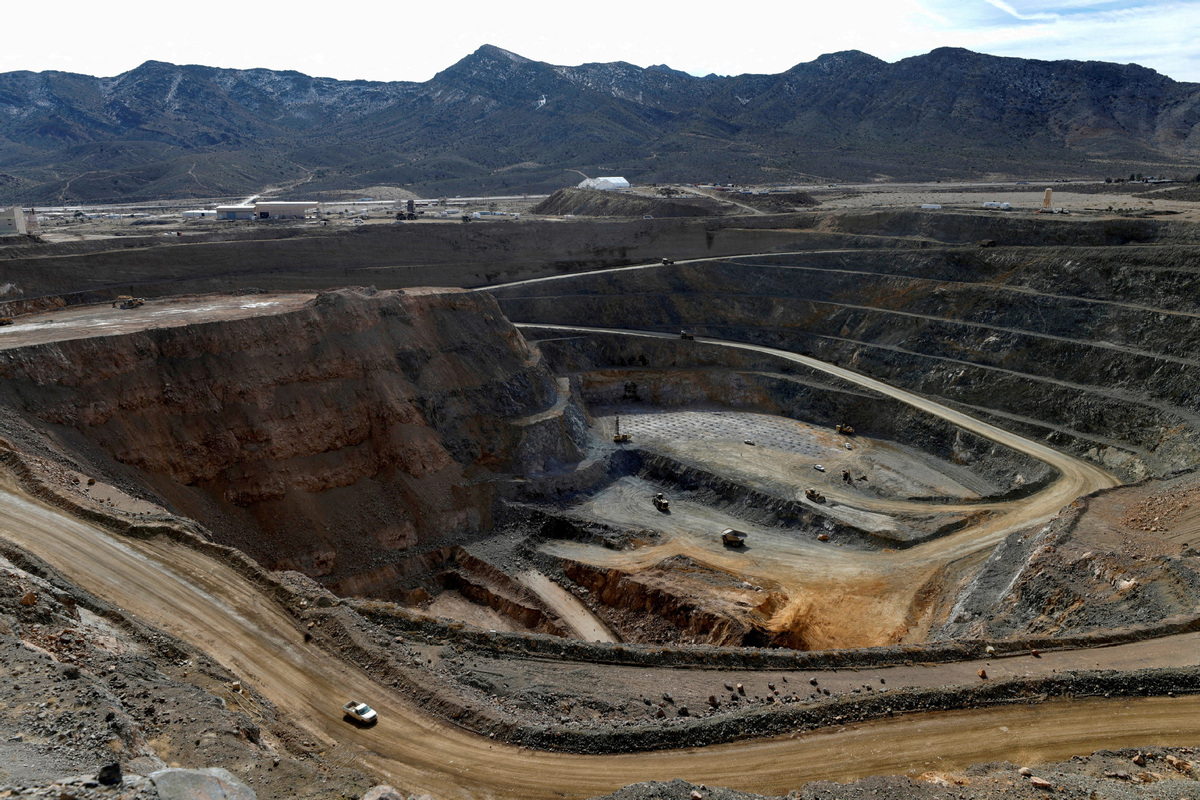
The United States is rushing to invest millions — if not billions — in a bid to secure self-reliance in rare earth minerals, but experts caution that such independence will not be easily achieved anytime soon.
Rare earths are present everywhere in people's daily life. They are found in items as mundane as cabinet door magnets bought online, and in essentials such as smartphones and cars.
On a grander scale, they are necessary for making military weapons that the US is shipping in large volumes to the world's hottest conflict zones.
China, the world's largest supplier of rare earths, has strengthened export management of these resources, citing their dual-use nature in both civilian and military applications, which aligns with international practice and help prevent proliferation that may sabotage peace.
Until 1990, the US itself was the world's top producer. But over decades, mining and refining shifted overseas as companies sought cheaper labor and bigger profits.
Hurrying to redevelop its own rare earth supply chain, the US recently made a few big moves.
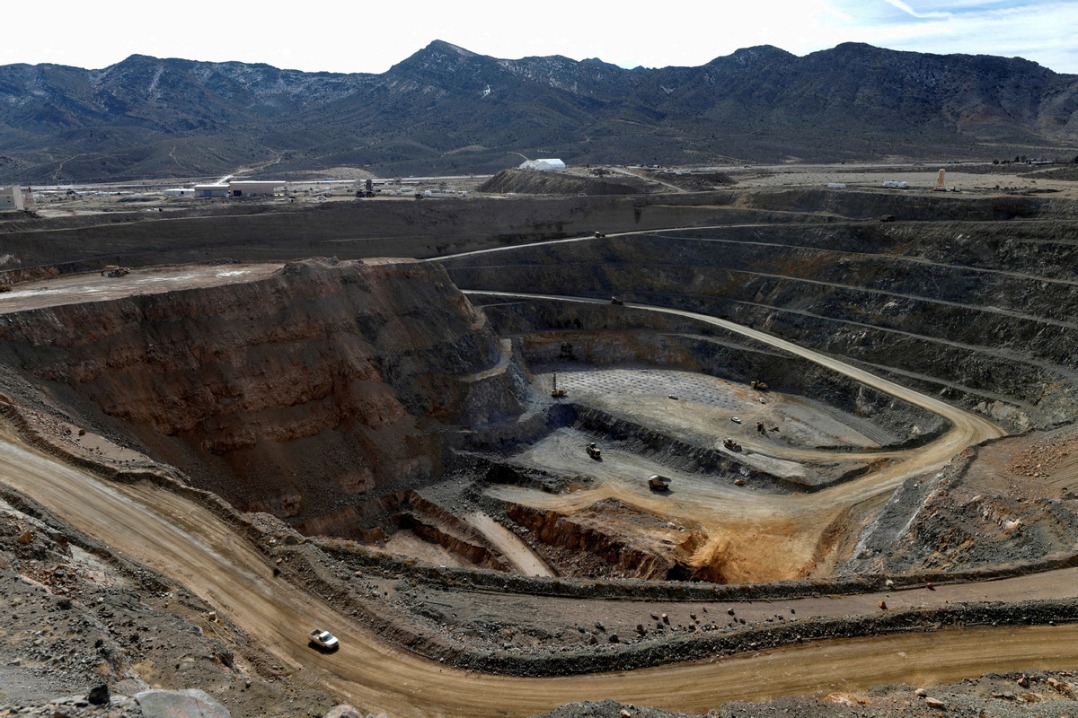
Last month, the Department of Defense said it was investing $400 million in MP Materials — the country's sole rare earth miner — for a 15 percent stake to construct a new magnet manufacturing facility. The department will also provide a $150 million loan to help the company's processing capability.
To protect MP Materials from market fluctuations, Washington further guaranteed a minimum price of $110 per kilogram for neodymium-praseodymium oxide for 10 years — roughly double the current market rate at the time of the announcement.
A few other firms jumped in and announced potential partnerships or mining projects. Recently, the US government proposed to spend close to $1 billion more in the sector.
Among them, USA Rare Earth said earlier this year that it had raised $75 million via a private investment in public equity to fund a magnet plant. The government has indicated it intends to invest $500 million in the company to accelerate production.
However, USA Rare Earth's stock did not move upward and stayed under $1 since the news broke out. Private investors are on the sidelines when it comes to investing in rare earth minerals.
Relying on the US government policy to develop a rare earth industry is risky, experts warn, because historically, it has not been consistent in industrial support.
The most recent example is President Donald Trump's rollback of his predecessor Joe Biden's Inflation Reduction Act, which had offered incentives for green energy development. The promised support has not lasted four years, leading to potential cancellation of many planned or present projects.
With the polarized political reality, not many companies dare to trust policies that might be overturned after just four years. Yet, mining is a capital-intensive, high-tech industry that requires at least a decade of planning, coordination and construction to see results.
"Jumping headfirst into the mining business comes with risks inherent to sometimes speculative projects," said an analysis in The Wall Street Journal. "An Idaho cobalt mine three decades in the making has been mothballed for years despite tens of millions in government support."
Market distortion
Critics also question whether the government-guaranteed price for a limited time and injection of capital risk distorting the market and undermining the long-term viability of subsidies in a competitive global market.
Even with consistent government policy, experts said it is unrealistic that the US can achieve self-reliance anytime soon.
Industry insiders point to Japan's experience. Despite 15 years of efforts to develop domestic production, the country still imports about 75 percent of its demand from China.
Take magnet as an example. An AI-assisted analysis shows that, if things go smoothly — continued government funding, faster permissions, and projects proceeding on schedule — the US could meet 25 to 35 percent of its magnet demand by 2028, with costs to be 20 to 35 percent higher than China.
If problems occur, the US magnet capacity would meet only 5 to 12 percent of domestic demand, at costs 40 to 60 percent higher than China.
mayzhou@chinadailyusa.com