Catalysts of change
How effectively the countries of the Global South can realize their potential on the world stage will determine if there is a more just and multipolar world order









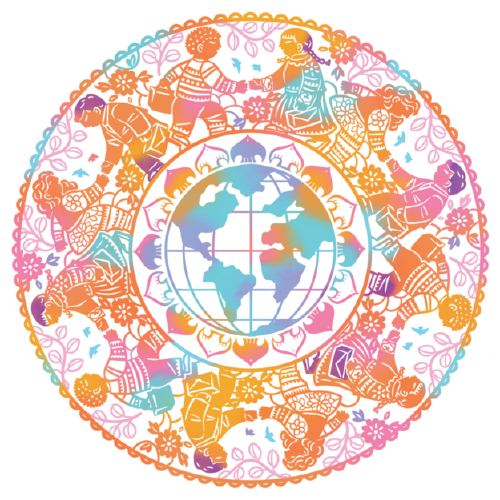
Since the beginning of the 21st century, we have seen a shift in wealth from traditional Western centers to the Asia-Pacific region, altering the structure of the global economy. This economic shift goes hand in hand with the increased political visibility of the latter. The present century is also rapidly changing in geopolitical priorities. Today, there is increasing evidence that the future belongs to the countries of the Global South. According to demographers' forecasts, by 2100, the majority of the world's population will be from Asia and Africa, making up 83 percent of all people on Earth.
It can be argued that many countries of the Global South in Latin America, Africa and Asia are no longer passive players on the world stage but act independently from the West in many respects.
This became evident more than a decade ago when the United States, the world's most powerful country, led a global campaign to persuade countries not to join China's Belt and Road Initiative. Yet, more than 150 countries went ahead and joined.
Changes became noticeable on the global stage as developing countries began to actively influence international agreements and policies related to the economy, climate and security. Amid this transformation of the international relations system, maintaining and strengthening ties with developing countries offers significant opportunities in terms of enhancing geopolitical influence. Moreover, the rapid population growth in most countries of the Global South, along with a rising share of the working-age population, could, under certain conditions, contribute to economic growth.
Despite the obvious successes and progress of the countries of the Global South, there are a number of challenges that hinder the full realization of their potential on the world stage. First, there are issues such as inequality, poverty, corruption and political instability that need to be addressed in a number of regions. Despite the fact that the countries of the Global South were formally freed from colonial dependence back in the 20th century, the economic structures built during the colonial period are still preserved: the countries of the Global South continue to export raw materials, remaining dependent on imports of high-tech goods from developed countries. At the same time, unequal trade relations with the countries of the Global North and debt dependence only reinforce this situation.
Second, the situation of the countries of the Global South in the context of their representation in international organizations raises questions. It is important to note that the countries of the Global South are underrepresented in key international organizations such as the International Monetary Fund, the World Bank and the United Nations, where their voice remains weak.
The real problems faced by developing countries are often ignored. The issues of reform of multilateral agencies, equal access to resources and elimination of global inequality remain on the periphery of discussions. German Chancellor Olaf Scholz noted that developing countries are unhappy with the "unequal application" of international norms and demand honest representation.
Added to all this is the problem of climate change, which is getting worse every year. And despite the fact that the "contribution" of the countries of the Global South to this problem is the smallest, they, due to their underdevelopment, are the most vulnerable to climate change. Without significant investments in renewable energy sources over the next decade, many countries, especially those in the Global South, will continue to rely on traditional forms of energy to develop their economies and ensure security of supply, which will further exacerbate the climate change situation in these countries. In 2022, the Global South, which represents most of the world's population, received only 20 percent of global investments in clean energy, despite the fact that many of these countries have rich wind and solar resources. Sub-Saharan Africa, where 600 million people live without access to electricity, has more than 1,000 times more renewable potential than energy demand. Despite clear demand and abundant resources, investments in African renewable energy sources have accounted for only 2 percent of the global total over the past two decades and, with an average annual investments of only $5 billion from 2010 to 2020, which are still far from the $60 billion needed annually by 2030.
China, which is the most developed among all the countries of the Global South, plays a huge role here. China shares its technologies in the field of renewable energy, manufacturing and agriculture, is the largest source of investment for developing countries, and this is not accompanied by demands to carry out any economic or political reforms. China, which has successfully lifted nearly 800 million rural population out of abject poverty over the past four decades, has excellent opportunities to share its accumulated experience with the countries of the Global South.
China is focused exclusively on mutually beneficial cooperation and does not interfere in the internal affairs of other countries, including the developing countries. Moreover, China is opening its market to the countries of the Global South, increasing the competitiveness of goods from these countries, which is reflected in the complete abolition of duties on all goods from 33 least developed countries in Africa, as previously announced.
It is also important to develop mechanisms for international North-South cooperation that can contribute to a more equitable distribution of resources and technologies and ensure inclusiveness in global governance.
However, despite significant efforts, the rapprochement of the countries of the North and South still faces difficulties. The problem is that the countries of the North often continue to maintain the old models of relations in which they stay strong and the countries of the South remain weak.
At the same time, we see positive trends in the expansion of initiatives such as the Shanghai Cooperation Organization and BRICS, which unite the countries of the Global South, aimed at creating a more equitable global system. It is important to note that the SCO, BRICS and other regional associations are already playing an increasingly important role in shaping global solutions aimed at economic growth and security.
In conclusion, it should be emphasized that the future of the international order depends on how the countries of the Global South can effectively use their internal resources and external relations to form a new, more just and multipolar world order. The role of the Global South in the global process continues to grow. In order to create effective strategies for sustainable development, it is necessary to recognize current problems and actively work together to solve them. This is the path to a more equitable, inclusive and sustainable world order, where all countries will have equal opportunities for growth and development.

The author is former director of the International Institute of Central Asia, former secretary-general of the Shanghai Cooperation Organization and Uzbekistan's former foreign minister. The author contributed this article to China Watch, a think tank powered by China Daily.
The views don't necessarily reflect those of China Daily.
Contact the editor at editor@chinawatch.cn.