Western nations eye May reopening










As we enter the last week of April, expectations have risen of some partial reopening of economies in May in Western nations currently imposing lockdowns. The basis of the decision will balance scientific evidence regarding control of the pandemic with economic considerations and some political expediency, with the later most evident in the USA.
Countries can look to the experience in China and other Asian nations to see what methods can be used and the necessity for caution. The safest models seem to involve continuing social distancing, checking temperatures and monitoring symptoms, and testing and contact tracing with strong use of smartphone apps in this process. Protecting others by wearing appropriate masks is a major feature, but shortages of supplies in Western economies require the promotion of other face-covering items and homemade versions. Finally, the willingness to reimpose lockdowns in small areas of re-emerging clusters has to be accepted.
There is a general consensus that life will not return to the previous normal any time soon and in some aspects there will permanent changes. That said, a few nations, such as Sweden and Belarus, backed away from lockdown measures in the first place. The trigger for reopening in a country will be evidence that the peak of new cases, and, as a consequence, deaths, has been reached and is now falling. Then that the “R” is less than 1 and ideally close to 0.5 so a coronavirus-positive person infects less than 1 other - thus hospital capacity is not breached and those continuing to be infected can be cared for. In addition to Asian countries, Germany and New Zealand are good examples of this progress.
Opening up needs to be in stages with priorities likely to be factories and services like dentists, hairdressers, restaurants and cafes with strong hygiene measures in place. Customers will sit further apart with limits on numbers together in a group. Drivers will still need to be protected on public transport and use discouraged in peak hours. Office workers can assist by continuing to work from home and much shopping can still be online. Schools may have to reopen so parents can go to work, but this is less necessary for higher education, Major sporting events are unlikely to restart unless behind closed doors and watched online and nightclubs and pubs are destined for a later stage for reopening. It is unlikely that significant international travel will re-emerge for a much longer period and tourism-related industries will probably miss their summer business peak.
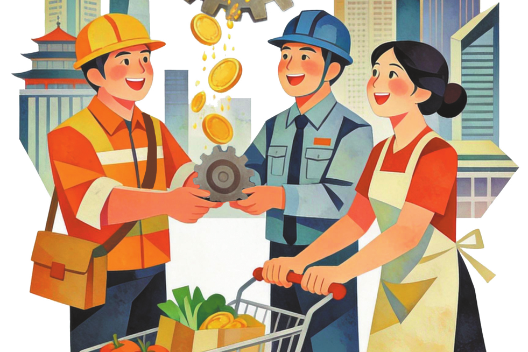
However, economic behaviour will have changed and reopening does not guarantee a return to past business levels. In Western countries many workers are unemployed or furloughed with a proportion of their salary provided by governments, who have also given help to business to protect their viability. This will ultimately have to be paid back in tax increases so disposable incomes will be lower and a wealth effect will kick in. Many households will have depleted their savings and seen assets plunge in value as stock markets reflect the depressed economic prospects. Put simply, households will lack confidence to spend, discretionary household spending will be restricted and consumer behavior, including online shopping, online movie watching and alternative entertainment without physical presence, will make it hard for some industries to recover this year.
Business protection plans in Western counties have cost governments huge amounts of money and they are based on time limits, with an assumption of a summer reopening. It is difficult to see how governments can afford to extend plans much further and some industries initially protected by the plans, whether dominated by small businesses or huge corporations, such as airlines and hotel chains, are likely to fail if not operating in a modest form in the second half of the year. With a November election looming, President Trump is the leader most likely to take risks for economic and political gains. The WHO and national medical advisors have warned that the virus is not beaten and a second wave could occur if a rushed reopening for economic gains then sacrifices health priorities. A second outbreak in the winter flu season would very challenging and impact the global economy. Every nation has to get the balance right.
Colin Speakman is an economist and an international educator with CAPA: The Global Education Network.
The opinions expressed here are those of the writer and do not represent the views of China Daily and China Daily website.