



Lancang-Mekong region enters new era of health cooperation and development









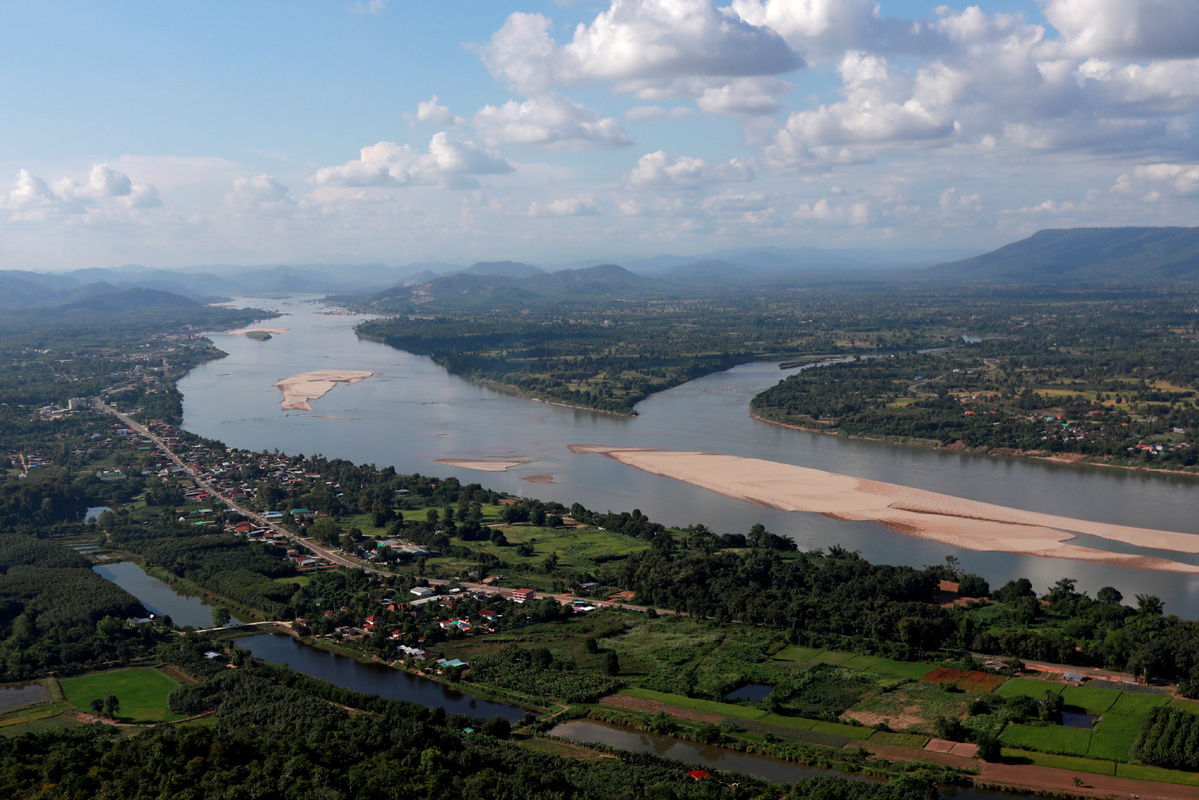
The Lancang-Mekong Cooperation (LMC) mechanism has been a pillar of regional stability and development, and nowhere has its spirit of building a shared future been more evident than in the realm of public health.
In the middle of August, the city of Kunming witnessed the successful convening of the 10th LMC Foreign Ministers' Meeting. As cooperation enters a new phase of "version 2.0”, the six member countries are set to build on a solid foundation of success to forge a more resilient and comprehensive regional health community for all.
The initial phase of LMC public health cooperation proved its value during the critical test of the COVID-19 pandemic. Member countries engaged in unprecedented collaboration, from sharing timely information and technical expertise to ensuring the cross-border flow of vital vaccines and medical supplies. Supported by the LMC Special Fund, a series of targeted projects focusing on infectious disease control, capacity building for healthcare professionals, and maternal, newborn and child health have already delivered tangible benefits, significantly enhancing the region's collective healthcare standards and bolstering its preparedness and readiness for public health emergencies. This joint effort underscored a vital truth: in an interconnected world, solidarity is our most effective defense against global health crises.
Building on this solid foundation, there is a clear consensus on the need to move forward by evolving cooperation to address persistent global health security threats and developmental imbalances. Advancing to a "version 2.0" is not simply about consolidation but about strategic enhancement. It is an essential step to address future challenges and secure the well-being of the region's people, thereby contributing to both regional development and the global health agenda.
Looking ahead, the next stage of cooperation could be defined by a more systematic and sustainable approach. A key priority is to upgrade the cooperation mechanism from an ad-hoc, emergency-based model to one of long-term, institutionalized governance. This involves establishing a regional public health monitoring and early-warning network to ensure a faster, more coordinated response to future threats.
Furthermore, the scope of cooperation is set to expand. While continuing to strengthen joint infectious disease prevention and control, the LMC framework will increasingly encompass a broader "one health" agenda. This includes tackling chronic non-communicable diseases, promoting exchanges in traditional medicine, harnessing the potential of digital health and facilitating cross-border healthcare services to create a multi-layered cooperation structure that benefits a wider population.
In the long term, it may be beneficial to envision a shift from joint response to synergistic development. Such a strategic direction would naturally place greater emphasis on long-term health system strengthening, for instance, through capacity building, technology transfer, joint talent cultivation and the co-establishment of high-level medical centers. Assisting member countries in this way to build resilient and modern public health systems could, in turn, elevate the health standards of the entire region and inject powerful momentum into its integrated economic and social development.
The development of public health cooperation in the Lancang-Mekong region thus stands as a powerful testament to the shared destiny of its people. A continued commitment to the LMC spirit of "Development First, Equal Consultation, Pragmatism and Efficiency, and Openness and Inclusiveness" could pave the way for an even more robust regional health community, one that might serve as a valuable model for global health governance.
Zhuo Li is a PhD candidate at Peking University. Ming Xu is a Research Professor and Dean of the Department of Global Health at Peking University.
The views don't necessarily reflect those of China Daily.
If you have a specific expertise, or would like to share your thought about our stories, then send us your writings at opinion@chinadaily.com.cn, and comment@chinadaily.com.cn.





