Not a crisis, but a vital rebirth









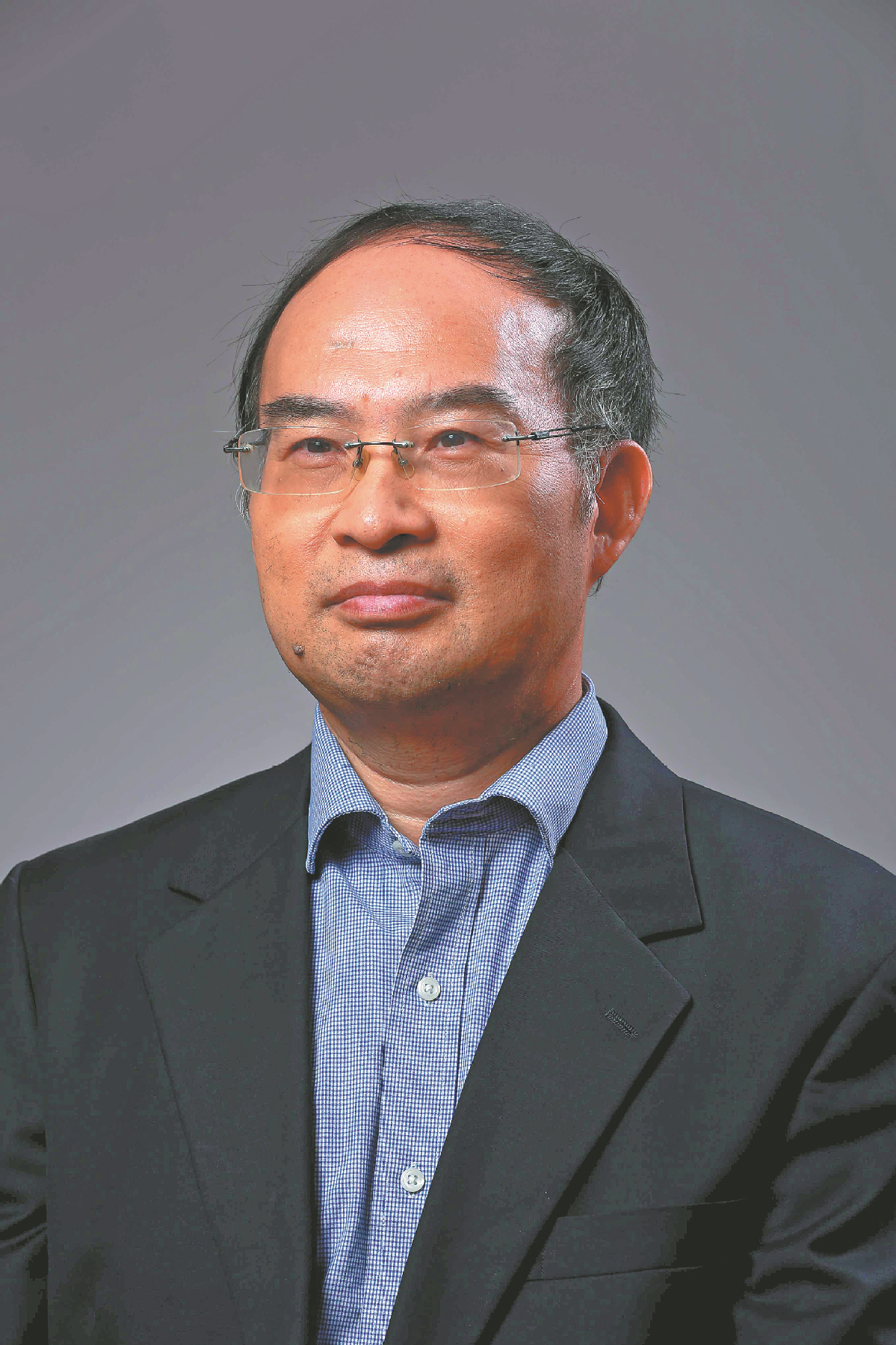
As I stood before our new students this semester, seeing the flicker of concern in their eyes, I opened my lecture with conviction: "English as a major is not declining. It is transforming."
For over 20 years, I've devoted myself to foreign language education, and today, I see this moment not as a crisis, but as a vital rebirth. Yes, we face challenges — declining enrollment, fierce job competition, the relentless tide of AI — but I believe this is our historic opportunity to evolve.
When the University of Science and Technology of China decided to phase out its English major in late 2023, it sparked a wave of adjustments across over 100 universities, with many canceling language majors such as English and Japanese. To some, it looked like retreat. To me, it signals a profound shift from training mere "tool users" of grammar and vocabulary to nurture true "bridge builders".
These are the minds who can decode the subtle currents of Western discourse, span cognitive divides with cultural proficiency, and carry China's voice confidently onto the global stage. Language isn't just a skill anymore — it's the foundation for understanding civilizations and advancing shared human futures.
Let me be clear: AI is transforming language service. It translates faster, realizes personalized language learning, and breaks down communication walls. But machines cannot grasp the deep meaning of cultural nuance. They can't navigate high-stakes scenarios where professional judgment is important. And they certainly can't replace the human connection that turns dialogue into understanding.
That's why our nation calls for talent who don't just speak languages but understand policies, global dynamics, and the art of cross-cultural negotiation. In this AI era, with China stepping boldly onto the world stage, we need people who know China deeply and can express her gracefully.
We're building super foreign language professionals with versatile "language plus" skills. Imagine our graduates leading cross-border e-commerce teams, training multilingual AI models as prompt engineers, or shaping international law and public diplomacy.
At BISU, we're weaving AI deeply into language learning. We've launched "Foreign Language plus AI" degrees in key UN and BRICS languages. Up to two-thirds of their coursework covers AI — machine learning, natural language processing, deploying big models. And it's not just theory: through our industry partnerships, students get their hands on real AI projects.
Closing programs might ease short-term pressure, but it won't build the future. What we need — what I'm fighting for — is a total reimagining of language education. We're shifting teachers (myself included) from being "knowledge transmitters" to becoming "architects of learning ecosystems".
As the OECD wisely notes, we must embrace human-AI collaboration as the new normal. Machines translate words; they don't transmit civilization. What language majors are going through feels like predawn in Shanghai — the old lights still glow, but the city is quietly reshaping how it works. So we must adopt AI not just for efficiency, but to fuse language mastery with deep expertise, nurture talent with cross-cultural leadership ability.
With AI reshaping work — replacing routine tasks while creating new hybrid roles — we're redesigning how we teach. We're embedding AI and data skills into our core language programs. We're breaking classroom walls through corporate partnerships and real-world projects. And we're building flexible learning pathways — micro-credentials, credit banks — so growth never stops. At the university level, I see AI as a personal guide for each student, tailoring their journey while keeping their skills aligned with what the world actually needs.
Foreign language studies are no longer just about conjugating verbs — they're becoming vital hubs for raising the next generation of global citizens. The linguists we train today won't just be experts in grammar; they'll be weavers of cultural dialogue, builders of understanding across borders, and active participants of global governance.
It is a moment with challenges and opportunities: foreign language education are making unique and new contributions to the building of a shared future for mankind.
Wu Jianshe spoke with China Daily reporter Zou Shuo.
- China handles 95 billion parcels in first half of year
- Digital initiative turns city into innovation hub
- Visionary Pathway: Hangzhou Playbook
- Macao university hosts intl research program focusing on AI, green finance
- Heatwaves fuel unprecedented air conditioner demand in Europe, powering Chinese export