



Weight control is more than about looking good









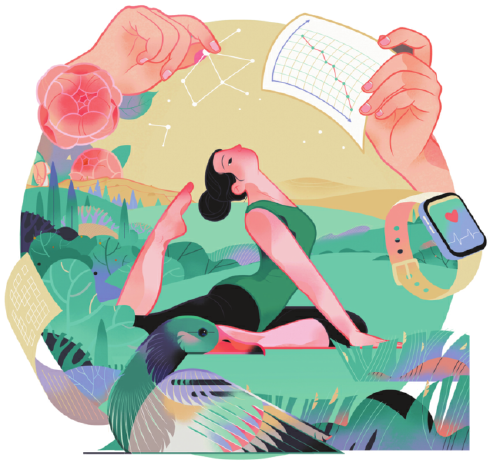
In the one year since the three-year "Year of Weight Management" initiative was proposed, an increasing number of people have become aware of the concept of weight management.
From the opening of dedicated weight-management clinics in hospitals to sweeping public-awareness drives across schools, workplaces and online platforms, the program jointly launched by the National Health Commission and 15 other authorities in June 2024, represents much more than a mere campaign to reduce waistlines. It is a concerted effort to redefine health paradigms for the 21st century, fostering a culture in which every person becomes an active caretaker of his or her own well-being.
Obesity has gently, and then suddenly, morphed from a peripheral concern into a full-blown public health issue. Today, more than 50 percent of Chinese adults are classified as overweight or obese, while the figure for children and adolescents aged six or above could be as high as 19 percent. Without intervention, a research by my team projects, as many as 65.3 percent of adults could be overweight or obese by 2030, while the rate among children and adolescents aged six or above will rise to 31.8 percent. This will require up to 418 billion yuan ($58.03 billion) in additional healthcare costs, or about 22 percent of the total national medical expenditure. More than raising the alarm, this calls for immediate action.
Weight loss has long been considered a personal battle of willpower, or vanity if seen in the light of the quaint maxim "fatness is a blessing". Yet the rise of extreme fad diets and the proliferation of social-media-driven "thin ideals" have exposed the darker side of this perception: disordered eating, unhealthy detoxification methods and a skewed body-image culture.
The "Year of Weight Management" campaign flips this narrative by making weight control a shared responsibility. However, it is important to acknowledge that some individuals, whether due to medical reasons or their personal choice, may not be able or willing to pursue weight loss — and that is completely valid. The goal of weight management is not to pressure anyone into losing weight, but to support people's overall health and well-being.
It sends a clear message that individuals' health is woven into the social fabric and government policy, and medical expertise and community support can, and should, be combined to help people lead a healthy life.
Some weird misconceptions about obesity persist among the public: few adults recognize it as a chronic condition, while the majority dismiss it as a mere failure of self-discipline. To bridge this critical gap, the campaign combines authoritative, evidence-based messaging with high-profile events, such as Nutrition Week and World Obesity Day, which highlight that obesity could lead to diabetes, cardiovascular diseases and certain cancers, and that weight management is as medically imperative as controlling blood pressure or quitting smoking.
Besides, initiatives such as the"5-2-1-1-0" children's program integrate complex research into everyday practices: five servings of vegetables, less than two hours of screen time, at least one hour of physical activity, no more than one snack, and zero sugary drinks.
According to the campaign, the days of crash diets and ephemeral "detox challenges" are history. It proclaims weight management as a lifelong odyssey, tailor-made for every stage of life. Expectant mothers receive prenatal nutritional counseling and gentle exercise plans; toddlers benefit from early childhood nutrition screening and family activity sessions; schoolchildren get to learn about integrated health modules in their curricula; working adults enjoy workplace wellness programs and subsidized fitness memberships; and seniors take part in community-based strength training and balance workshops. By framing healthy weight as a journey rather than a destination, the campaign seeks to cultivate sustainable habits through the lifetime.
No person can survive in isolation; likewise obesity is not merely a failure of individuals but the result of environments saturated with high-sugar drinks' advertisements, sedentary work culture and insufficient recreational infrastructure. To address these systemic challenges, China has adopted a three-pronged governance model: government leadership, social collaboration and technological support.
The 16 government departments, including the Ministry of Education and the General Administration of Sport, have synchronized policies to ensure schools teach balanced nutrition, workplaces promote active breaks, and communities have ample open spaces for exercise. And businesses, media outlets and civil society organizations ought to galvanize to create a health-promoting ecosystem, from healthy certification in restaurants to health-education segments on prime time television.
One emblematic innovation is the "scale-tape-calendar" toolkit: a portable scale, waist-circumference measuring tape and daily management calendar that is displayed in neighborhood clinics, hotel lobbies and even near office receptions. By embedding these tools in everyday life, the campaign promotes self-monitoring and empowers people to take small, consistent steps toward a healthier lifestyle.
Moreover, the digital revolution is transforming weight management into a high-tech pursuit. Cutting-edge wearable sensors continuously collect data on physical activity, heart rate, sleep pattern, with some devices showing skin temperature and blood-oxygen levels.
The campaign's success will be measured not in kilograms lost but in lives improved. If the "Year of Weight Management" can help change public attitude, galvanize cross-sector partnerships and demonstrate the power of precision health, it will achieve far more than slimmer silhouettes.
Wang Youfa is the vice-president of Xi'an Jiaotong University Health Science Center, dean of Global Health Institute and president of the Obesity Prevention and Control Section of Chinese Nutrition Society; and Wei Wei is a research assistant at the Global Health Institute, Xi'an Jiaotong University.
The views don't necessarily reflect those of China Daily.
If you have a specific expertise, or would like to share your thought about our stories, then send us your writings at opinion@chinadaily.com.cn, and comment@chinadaily.com.cn.





