Plays help children inherit the human spirit









It's the responsibility of elders around the world to tell children and teenagers the stories of their homeland and help them understand the essence and value of traditional culture. Listening to stories about their country, and heroes and icons is part of growing up.
Dedicated to serving children and teenagers, the China National Theatre for Children has produced and staged nearly 200 works since its establishment in 1956. More than half of these works revolve around the spirit of China's traditional culture. Malan Flower, a play that has been performed for more than six decades, is a good example of such a work. It draws on a Chinese folktale and highlights the traditional Chinese virtues of hard work and bravery.
The development of society has enriched children's experience. But in this age of the internet, animation, video games and artificial intelligence, attracting children to the theater has become a challenge for playwrights and theater artists around the world. Youngsters below the age of 18 need to watch plays to learn from literature and the other arts the values of life, society and culture.
For the past decade, the CNTC has been producing educational plays. For example, Three Monks, originally a physical drama based on an ancient Chinese legend, has surprised audiences since its debut in 2014, thanks to its vivid characterization and innovative theme. The most valuable aspect of the play is that it makes young audiences interested in Chinese culture.
The success of the CNTC in staging such Chinese plays in front of foreign audiences shows that Chinese theater directors are focusing more on "creation" than "inculcation" by injecting more emotional and artistic elements into their works.
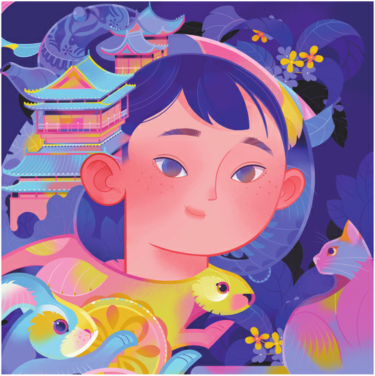
In 2023, A Cat's Legend in the Forbidden City, adapted from the eponymous children's book and co-produced by the Palace Museum (Forbidden City), debuted in the CNTC. The play tells a heartwarming story of friendship and companionship, memory and history, life and eternity through the perspective of a cat, with the aim of promoting the Palace Museum, an embodiment of fine traditional Chinese culture, among foreign audiences.
As the writer of the eponymous book and screenwriter for the theater production, I consider the "role models" for A Cat's Legend in the Forbidden City to be The Wonderful Adventures of Nils and The Hunchback of Notre Dame. Although Selma Lagerl?f, the writer of The Wonderful Adventures of Nils, only aimed to introduce Swedish history and geography to Swedish children, the book has made children across the world yearn for Sweden for the past century.
The influence of The Hunchback of Notre Dame is also self-evident. I believe Notre Dame de Paris is one of the most representative cultural relics and world heritage sites in France largely because of the humanistic charm of Victor Hugo's masterpiece. The two books have aroused the interest of people around the world in Swedish and French culture, and made children curious to know the history and culture of their motherland.
The Palace Museum is a precious cultural heritage of humankind. How can we enable children to understand its essence and significance? At least we can use a play to make people who have not been to the Palace Museum yearn to do so, and enable people who have visited it to re-imagine its charm and cultural value.
A play whose main audience is children may convey only a limited meaning, but it can spark their curiosity and open a window through which they can find infinite spiritual treasures. A Cat's Legend in the Forbidden City brings to life China's profound culture for children.
In the AI era, children, as well as adults, need to know why we are humans. A person should know "who she or he is" to find the meaning and value of life.
As such, it is the responsibility of contemporary authors, playwrights, short-story writers, and artists including performing artists, to spark children's curiosity about their origin through their works, so they can understand them in the cultural sense. Since children are the future of humankind, they need to inherit the human spirit.
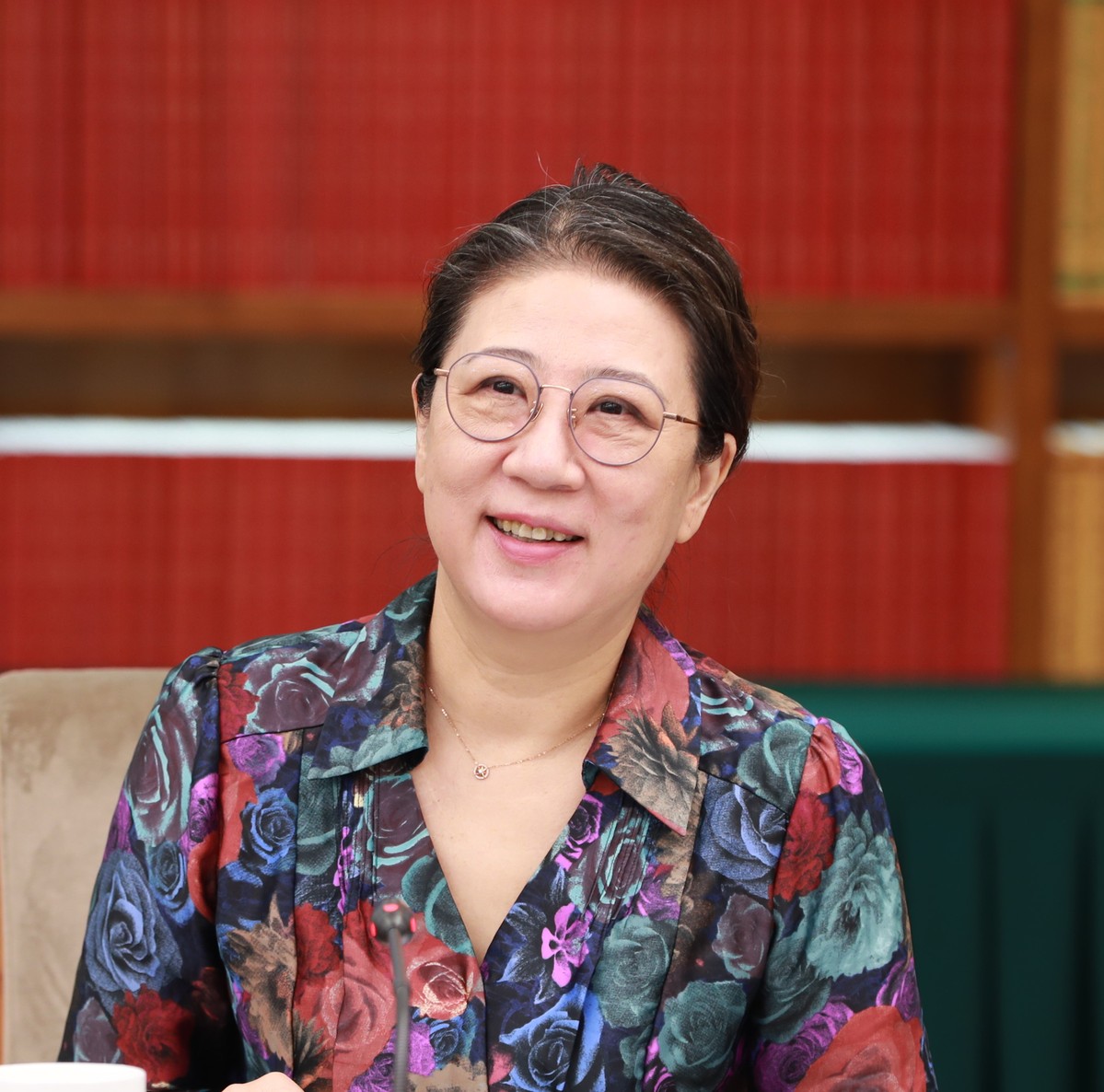
The author is president of the China National Theatre for Children, and a member of the 14th National Committee of the Chinese People's Political Consultative Conference.
The views don't necessarily reflect those of China Daily.