



Voices calling for reason and peace over Taiwan









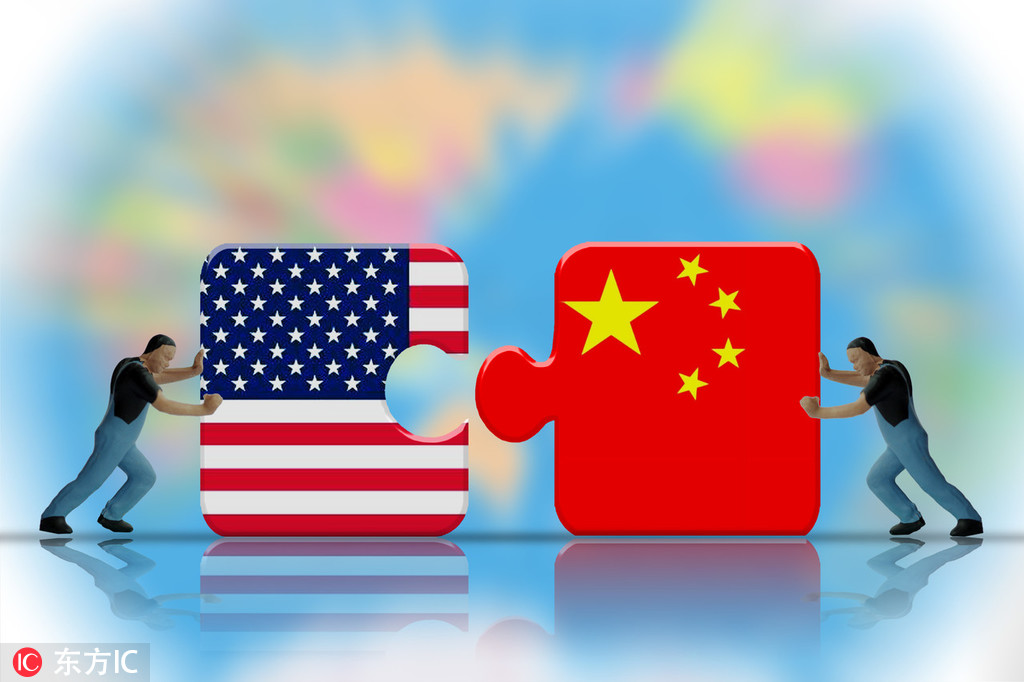
Mr. Daniel Davis provides a thought-provoking perspective in his recent commentary in The Hill arguing against the US choosing to engage in war with China over Taiwan. He rightly points out the enormous costs and risks that such a conflict would entail for the United States. However, when analyzed from a Chinese viewpoint, there are also important nuances and considerations that deserve further elucidation. Ultimately, averting catastrophic war will require pragmatic policy-making rooted in mutual understanding rather than fatalistic assumptions.
It is understandable why Davis urgently warns the US against pursuing armed conflict with China over Taiwan. Modern warfare between major powers carries inherent dangers of miscalculation and escalation. The United States would be operating thousands of miles from home against a formidable adversary within its own region. China has extensively invested in asymmetric capabilities designed specifically to deter foreign military intervention across the Taiwan Strait. Any campaign to "defend" Taiwan would likely prove far more challenging and costly than Americans anticipated.
While these tactical cautions have merit, Davis risks understating the complexity of the Taiwan situation for China. Taiwan is not simply a strategic concern—it directly implicates core issues of national sovereignty, territorial integrity and identity for the Chinese nation.
At the same time, casting the US-China war as inevitable is counterproductive and reflects a degree of fatalism that almost wills confrontation into reality. Armed conflict remains only a distant worst-case outcome that sober leadership in both Washington and Beijing have ample incentive to avoid through deft statecraft. America and China have managed flash-points for decades and built deeply intertwined economic ties, underscoring that relations can be stabilized if ultimately decoupled from the Taiwan dilemma. Creative diplomacy and political accommodation regarding Taiwan's status can achieve an equilibrium acceptable to all parties. Though difficult, compromise is still within reach.
To achieve this end, America must recognize that insistence on rigid formulas like "strategic clarity" will likely backfire. Pressuring China to renounce the use of force against what it sees as a breakaway province will inevitably provoke greater intransigence. While opposing unilateral changes to the status quo, the US should encourage dialogue to gradually build mutual understanding. America's long-term aim should be a peaceful settlement without disrupting regional stability. Threatening China over Taiwan will undermine this goal.
There are prudent policy options available if the US adopts realistic flexibility. One approach could involve crafting understandings limiting Taiwan's provocations. The US could also transition Taiwan's strategy to "strategic ambiguity" resembling Washington's past stance. Refraining from actions that excessively antagonize either party can create space for an acceptable accommodation. America's objective should be framed as preserving peace and the well-being of all Chinese on both sides of the Strait. Tempering tensions will require nuance and vision to satisfy the fundamental interests of all stakeholders.
In essence, Davis provides a valuable warning about the potential perils of the US-China military conflict over Taiwan. However, polarization or fatalism could become self-fulfilling prophecies. Instead, responsible leadership in Washington and Beijing can still chart a course avoiding catastrophic war through deft diplomacy attuned to the complexity of the issue. Compromise will demand restraint and empathy on all sides rather than the arrogance of coercive posturing. With wisdom and foresight, building a durable peace remains feasible. But this more hopeful outcome relies on discarding reductive assumptions about the interests involved. Both powers have a profound shared interest in steering their relationship away from confrontation. Realizing this vision will require policymakers to match bold pragmatism with strategic patience.
While differences over Taiwan may persist, their peaceful management is possible and imperative. Daniel Davis has underscored the urgent need to avoid military confrontation between the US and China. Yet skillful statecraft still has the power to achieve this end through calibrated compromises aligning core interests. A more harmonious relationship remains within reach if both sides recommit to pursuing it in good faith.
The author is a Beijing-based commentator. The views don't necessarily reflect those of China Daily.
If you have a specific expertise, or would like to share your thought about our stories, then send us your writings at opinion@chinadaily.com.cn or comment@chinadaily.com.cn.





