US state bans TikTok, restricts other 'enemy' apps









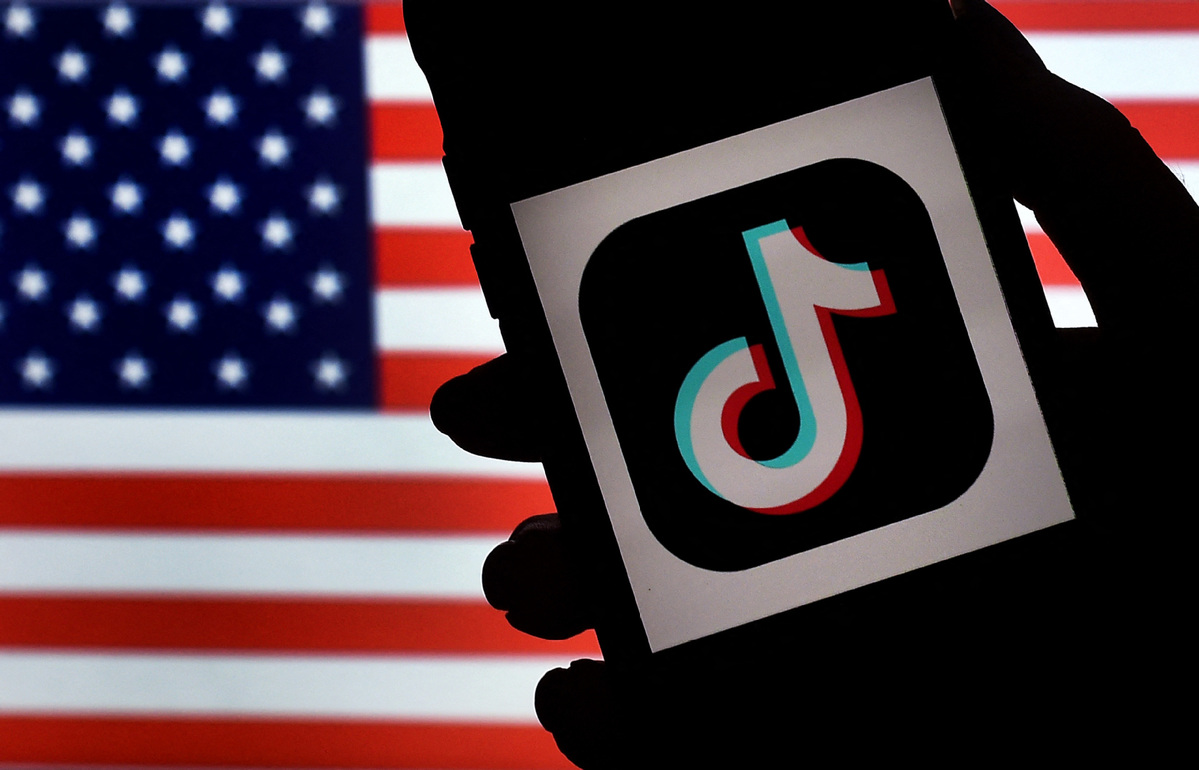
When I was teaching secondary school I often saw students using TikTok. Usually it had to do with the innocent sharing of their latest dance moves to the world. Little did I suspect that just a few years later, a wave of fear and suspicion would spread across the Western world, calling the app a national security threat, a means through which the Chinese government can obtain state secrets.
The latest manifestation of this fear has just taken place in the US state of Montana, where the governor, Greg Gianforte, a Republican, signed a bill on May 17, banning TikTok in the state. That continues the trend which has seen TikTok banned from government devices in the US, UK, Canada, Australia and New Zealand, the members of the "Five Eyes alliance".
The Montana ban, however, is even more extreme. The bill, taking effect June 1, bans TikTok not from just government devices, but rather from having any presence in the state.
The law also outlines potential fines of $10,000 per day for violators, including app stores found to host the social media application. Gianforte justified the ban saying, "Our shared priority to protect Montanans from Chinese Communist Party surveillance."
Also citing TikTok owner ByteDance's CapCut video editor and Lemon8 as examples of offending apps. Gianforte largely seems to be targeting apps with ties to China, given that ByteDance, Temu owner Pinduoduo, and WeChat owner Tencent are all based in the country.
Along with TikTok itself being fined the platforms from which it can be downloaded, Apple and Google, could also face fines of $10,000 per violation, per day if they break the ban.
A trade group funded by Apple and Google has said in recent months that it is impossible, however, for the companies to prevent access to TikTok in a single state.
TikTok is facing growing attack, including moves within the US Congress to have a ban implemented nationally, due to fears that the Chinese government could potentially access US data via TikTok, though there is no evidence of such having occurred.
In March, a congressional committee grilled TikTok CEO Shou Zi Chew about whether the Chinese government could access user data or influence what US users could see on the app.
With 7,000 employees in the US, TikTok has over 150 million US users, the app being wildly popular with teens. Pew Research Center figures indicate, 67 percent of US teens ages 13 to 17 use TikTok, with 16 percent of all teens saying they use the app almost constantly, though TikTok itself claims the "vast majority" of its users are over the age of 18.
TikTok has been fighting back in the state for months. It has run ads featuring Montana small businesses that use TikTok and given prewritten emails to users so they could contact Gianforte about opposing the bill.
TikTok has charged that the bill "infringes on the First Amendment rights of the people of Montana by unlawfully banning TikTok, a platform that empowers hundreds of thousands of people across the state. We want to reassure Montanans that they can continue using TikTok to express themselves, earn a living, and find community as we continue working to defend the rights of our users inside and outside of Montana."
NetChoice, a technology trade group that includes TikTok as a member, joined calling the Montana bill unconstitutional.
Along with the specific TikTok ban, Gianforte also signed, the same day, a separate executive order prohibiting the use of any social media application "tied to foreign adversaries" on government devices, including ByteDance-owned CapCut and Lemon8, Tencent's WeChat, PDD's shopping app Temu, and Telegram Messenger. All are Chinese owned excepting the last, claimed to be Russian, though actually domiciled in Dubai.
WeChat and Telegram Messenger are widely-used for chats, while Temu is a leading free shopping app in the US.
The list of devices that can't download these apps includes, "all state-issued cell phones, laptops, tablets, desktop computers, and other devices which connect to the internet." Further, "any third-party firms conducting business for or on behalf of the State of Montana shall not use these applications."
Of all this one may surmise, paranoia, masked as national security, seemingly has no limit.
John Queripel is a Newcastle Australia based author, historian and social commentator.
The views don't necessarily reflect those of China Daily.
If you have a specific expertise, or would like to share your thought about our stories, then send us your writings at opinion@chinadaily.com.cn, and comment@chinadaily.com.cn.