An opportunity for Bangladesh to tap Chinese market









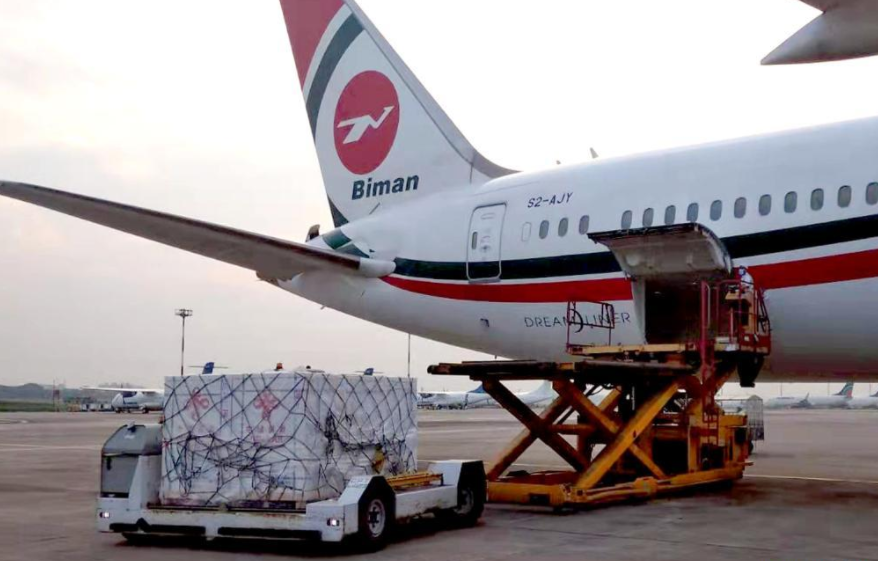
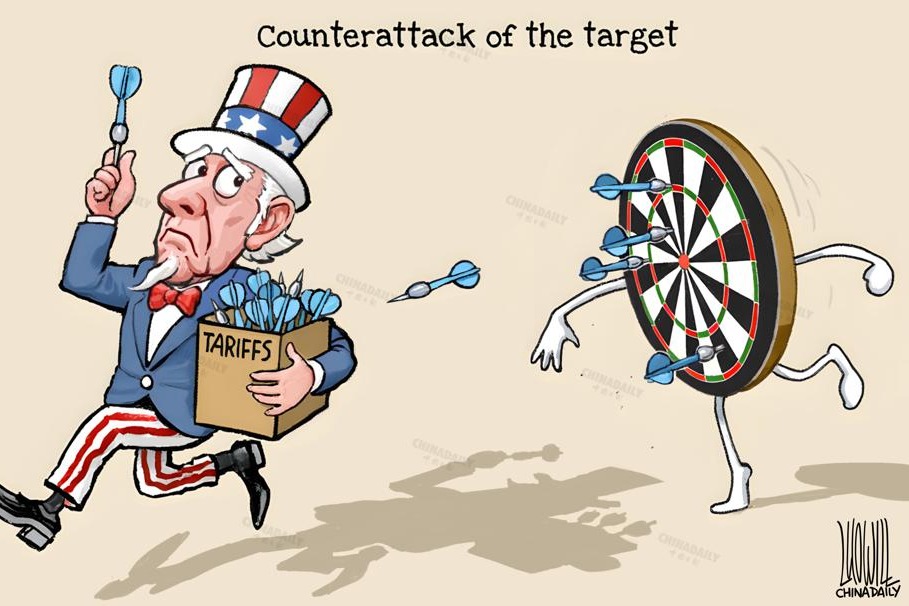
Recently, China decided to grant duty-free access to 98 percent of Bangladeshi goods, including 383 new products, especially leather and leather-made goods. This decision will increase the number of Bangladeshi products, enjoying the duty-free facility, to 8,930. So why China has offered such preferential treatment to Bangladesh and how Bangladesh could reap optimum benefits from this zero-tariff facility.
The journey of China and Bangladesh relations began with China's recognition of Bangladesh as a sovereign nation-state on August 31, 1975. Since then, they have maintained a comfortable friendship. Common membership in the Bangladesh-China-India-Myanmar Forum and Bangladesh's decision to join the BRI in 2016 reflect that they have a common interest in the global geopolitical context. Apart from economic assistance and defense cooperation, China extended its hand to support Bangladesh on different international platforms as a time-tested friend. For instance, when the World Bank refused to finance Bangladesh's flagship project Padma Bridge, China came forward with an offer to build the bridge covering 70 percent of the cost. Though Bangladesh decided to build the bridge with its own fund, still China proved itself as an “all-weather ally” of Bangladesh holding its hands in difficult times. The recent decision of China to ensure the preferential treatment of 98 percent of Bangladeshi products is another “token of friendship” from China to Bangladesh.
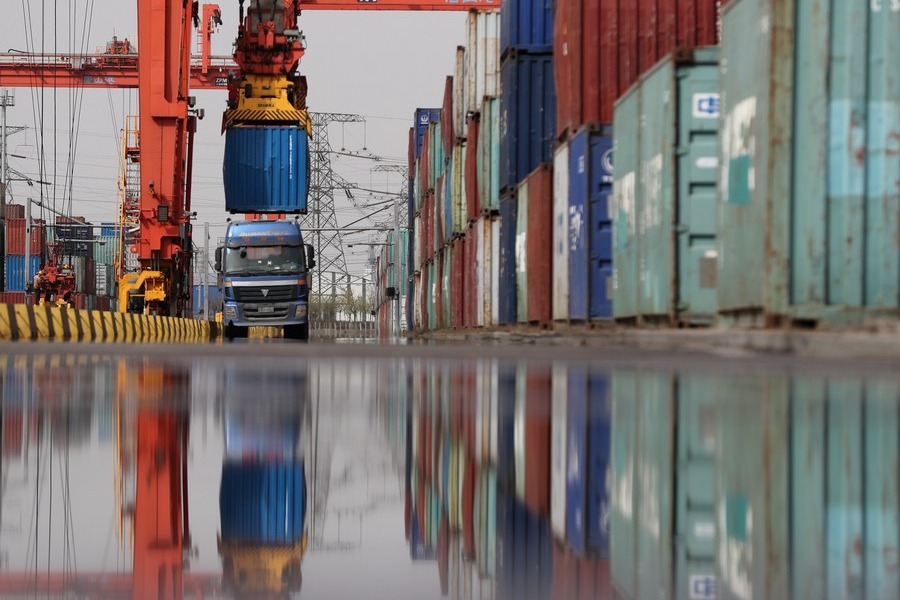
The two-way trade between these two countries crossed $13 billion in FY 2018-19 where China's export to Bangladesh was $13.6 billion, one-fourth of the latter's total import expenditure, and Bangladesh's export to China was $560 million. This shows a huge trade deficit for Bangladesh but a huge trade surplus for China. As the bilateral trade tilted heavily toward China, this led the critics to give a contentious look on this decades-long bonhomie between these two countries. As an economic giant, China decided to create a level playing field for Bangladesh by providing the aforementioned special treatment for 8,930 Bangladeshi products.
In FY 2019-20, China imported $2.4 trillion worth of goods where Bangladesh's portion was only 0.05 percent demonstrating the huge trade scope that existed in the Chinese market for Bangladesh. A Bangladeshi scholar, Ma Razzaque, head of Research and Policy Integration for Development, showed in one of his research that if Bangladesh can grab only 1 percent share of China's market, then it could earn $25 billion. China understands that as an LDC Bangladesh lacks the institutional capacity to avail benefits remains untapped in China's market. To assist Bangladesh in becoming competitive and getting easy access, China has offered zero-tariff preferential access for Bangladesh.
In 2020, China offered 97 percent duty-free facility to Bangladeshi products, and a total of 8,547 Bangladeshi products were considered as eligible for such facility. Leather goods, the second-largest export earner to Bangladesh and a major exportable item to China, were not included in the preferential list prepared by China at that time. Mentioning the exclusion of leather-made goods from the list, critics claimed that China was providing preferential treatment to those products that were not exporting in large volumes from Bangladesh. Critics argued that the products that hold the major share of Bangladesh's export to China, e.g., leather goods, were excluded from the list.
But this time, China has decided to include the leather goods in that list, which is not only a blessing for Bangladesh but also a sign of China's positive intention toward Bangladesh. Beijing always promotes its partners to have more bilateral trade engagement, which has been once again proved by the decision to include leather and leather-related goods in the preferential list.
The economic fallout triggered by COVID-19 has an adverse impact on the world's economy and Bangladesh's economy is not an exception to this. The pandemic has exposed a vulnerability to the cross-country supply chain ultimately bringing negative consequences for Bangladesh. And a visible example of such impact on Bangladesh's economy is the slowdown of the country's projected GDP growth rate. Bangladesh has been experiencing negative growth in its export not only to China but also to other export destinations. China's decisions to provide preferential treatment come at a time when Bangladesh is in dire need to increase its cross-border trade to confront the economic challenges posed by COVID-19.
Cross-border trade can help Bangladesh to boost economic growth with enhanced productivity, higher income, and greater employment opportunities.
China, the largest trading partner of Bangladesh, has some sort of responsibility toward Bangladesh for boosting the latter's international trade engagement. This actually motivated the Chinese government to offer tariff holidays for 98 percent of Bangladeshi products. The fundamental objective of such a facility is to increase bilateral trade between these two Asian economies. Apart from promoting trade relations, this move of Beijing will restrengthen trade, investment, and economic cooperation with Dhaka. Also, this special treatment will benefit the Bangladeshi businessmen by providing access to the Chinese market with favorable terms and conditions. And this is how China is actually setting a example for the rest of the developed economies on creating a world of balanced trade.
China has successfully fulfilled its responsibility that the people of Bangladesh have been expecting for addressing the trade imbalance. Now, it is Bangladesh's turn to take effective steps to make the best out of this preferential treatment. If Bangladesh could properly utilize this tariff concession, then it could successfully address its trade deficit with China and ensure overall trade surplus in its balance of payment. As China is moving toward producing high-value goods, greater economic engagement with China will help Bangladesh to prepare itself as a lucrative ground for relocating China's sunset industries.
Any preferential treatment is not enough for a country to get benefit unless the beneficiary country has enough capability to penetrate into the counterpart's market utilizing the facility effectively. That is why Bangladesh has to chalk out a plan on ensuring the optimum output of the zero-tariff access granted by China. Obviously, Bangladesh has to enter the Chinese market with quality products at a competitive price. In order to ensure this, Bangladeshi ministries may conduct a market survey to have a better understanding of China's consumers and promote exporting those products on which Bangladesh has competitive advantages e.g., leather products, jute goods, etc. By declaring this tariff holiday, China displayed its intention to assist Bangladesh to explore the market of 1.42 billion people, to boost Bangladesh's export to bridge the trade gap, and to address the trade deficit that Bangladesh has been experiencing for a long period of time.
The author is based in Bangladesh. The opinions expressed here are those of the writer and do not necessarily represent the views of China Daily and China Daily website.
If you have a specific expertise, or would like to share your thought about our stories, then send us your writings at opinion@chinadaily.com.cn, and comment@chinadaily.com.cn.