WHO should resist politics in COVID-19 origin tracing









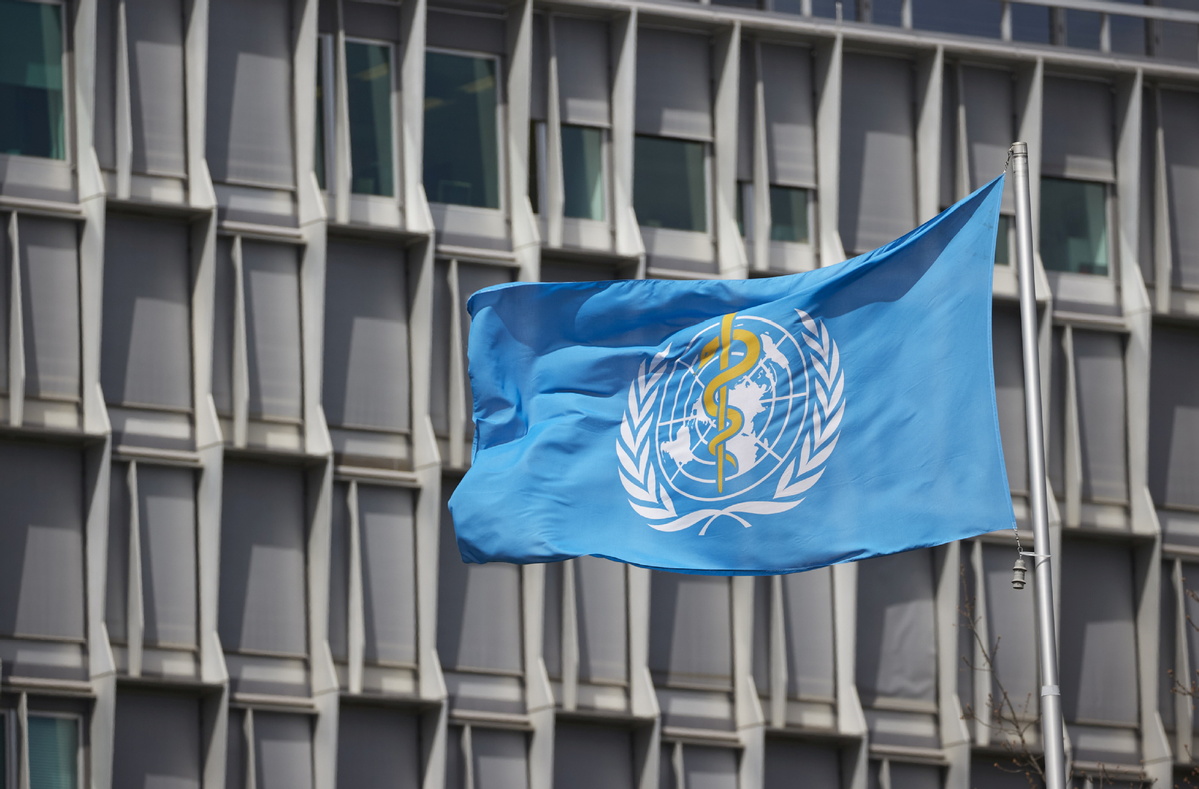
Nearly a year and half after the World Health Organization declared COVID-19 a global pandemic, efforts to contain the virus remain challenged. Many countries and territories around the world have encountered new and more deadly variants, deferring hopes for health stability and economic recovery.
At the same time, there appears to be a buildup of political acts by some countries, threatening the gains made in both pandemic origin tracing and response.
For four weeks, WHO experts and their Chinese counterparts were in Wuhan, Hubei province, the city that first reported the virus in China. The team then made recommendations and conclusions on what might have transpired, which logically would have provided a backdrop for further investigations.
However, a new plan by the WHO Secretariat to abandon those earlier outcomes of the joint study, as the WHO launches the second phase of the origin tracing investigation, has elicited strong reactions from the international community. Several questions are being raised regarding the impartiality, integrity and utility of the WHO move.
For instance, there is no scientific basis for the WHO to discount the outcomes of the joint study that was conducted by its own experts. Second, the unilateral decision by the global health body to draw up a new plan without due consultation of member states flies in the face of established rules of procedure governing execution of its mandate. Also of concern is the continuity of the source tracing, since the WHO intends to replace the experts who were involved in the Wuhan mission.
These worries have nudged more than 60 countries to write to WHO Director-General Tedros Adhanom Ghebreyesus, warning against politicization of COVID-19 source tracing, since it would have huge implications for a successful international response against the pandemic.
As a coordinating agency, the WHO should be at the forefront of building consensus in tackling global health challenges. It can only achieve this through unflinching pursuit of professionalism, independence and global good.
Besides COVID-19 source tracing, the global health body has an even more urgent responsibility: galvanizing international consensus for effective response against the pandemic. So far, developing economies have fallen behind, with a minuscule supply of vaccines, despite the widely appreciated fact that vaccines remain the most sustainable way out of the pandemic.
According to the WHO, out of the 3.5 billion vaccine doses administered around the world, 75 percent have gone to just 10 rich countries.
In the United States, nearly 50 percent of the population has been fully vaccinated, compared with around 2 percent in Africa. A country like the Democratic Republic of Congo has only administered 0.08 vaccines per 100 individuals, showing just how dire the situation is on the continent.
While rich countries offer their populations enticements to get vaccinated, people in low income economies are more willing to receive the inoculations. But the hoarding and use of vaccines to achieve political ends has derailed an equitable global response as more problematic variants take root.
A new study by the WHO and partners indicates that, had vaccine inequity been addressed, up to $38 billion could have been added to poorer nations' GDP forecast for 2021. It is these unfortunate realities that make poor countries worry about the WHO's ability to help affected countries climb out of the pandemic vortex.
The global health body should therefore focus its energies on providing solutions to the most pressing challenges, instead of falling victim to international politics. Diversionary tactics will only delay the global recovery from the health and economic crises.
The writer is a Kenya-based researcher of international relations with a focus on China-Africa ties.