


Tai Chi and Wangchuan granted UNESCO status









Two new entries from China, Taijiquan and the Wangchuan ceremony, were added to UNESCO's intangible cultural heritage list on Thursday.
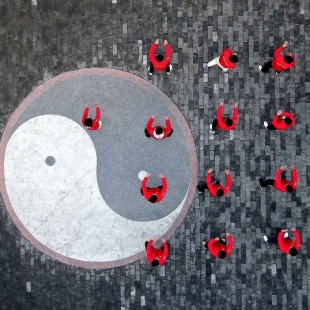
Taijiquan, also known as tai chi, is a traditional physical practice characterized by relaxed, circular movements that works in harmony with breath regulation and the cultivation of a righteous and neutral mind.
The two items were added to the list during the 15th session of the Intergovernmental Committee for Safeguarding Intangible Cultural Heritage, which is being held virtually, from Monday until Saturday, and hosted by Jamaica.
Originating during the mid 17th century in Wenxian county in Henan Province in central China, it is now practiced throughout China by people of all ages and by different ethnic groups, according to the official website of UNESCO.
Taijiquan's basic movements center on wubu (five steps) and bafa (eight techniques) with a series of routines, exercises and tuishou (hand-pushing skills, performed with a counterpart).
Influenced by Daoist and Confucian thought and theories of traditional Chinese medicine, the practice has developed into several schools (or styles) named after a clan or a master's personal name. These are passed down through clan-based transmission or the master-apprentice model, and build upon the yin and yang cycle, and the cultural understanding of the unity of heaven and humanity.
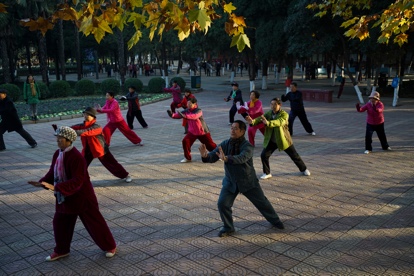
In China, seven national-level intangible cultural heritage items are related to Taijiquan, according to the Ministry of Culture and Tourism.
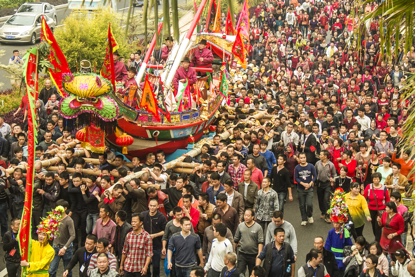
The wangchuan ceremony, or Ong Chun, was jointly put forward for UNESCO intangible cultural heritage status by China and Malaysia. The ceremony and related practices are rooted in folk customs of worshipping Ong Yah, a deity believed to protect people and their lands from disasters.
Developed in the south of Fujian province between the 15th and 17th centuries, the element is now centered in the coastal areas of Xiamen and Quanzhou, as well as in the Chinese communities in Melaka, Malaysia. Performances, including local opera genres, dragon and lion dances, and puppet shows, among many others, are presented during the ceremony.
The element evokes the historical memory of ancestors' ocean-going, reshapes social connections when confronted with emergencies such as shipwrecks, and honors the harmony between man and the ocean. It also bears witness to the intercultural dialogue among communities, according to UNESCO.
China now has 42 entries in UNESCO's Representative List of the Intangible Cultural Heritage of Humanity, the most of any country in the world.