Flip-flop by UK shows cost of banning Huawei









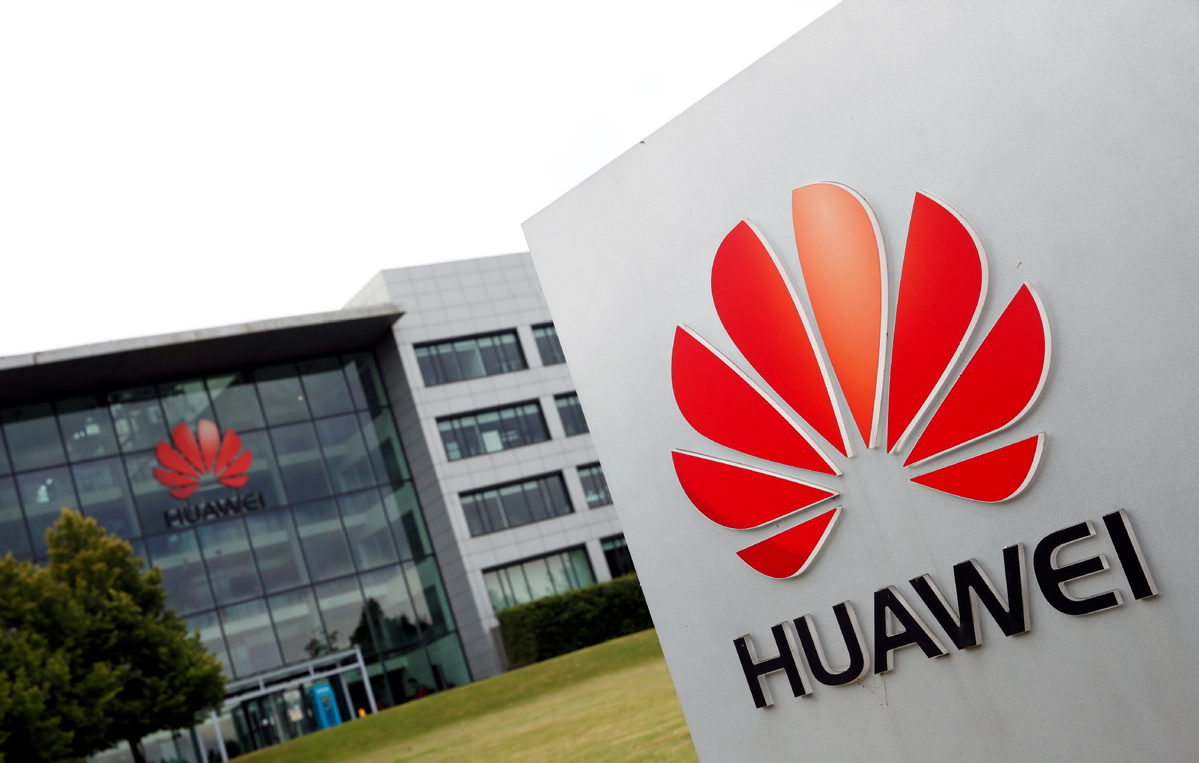
The people of the United Kingdom are being forced to pay for their government's flip-flop on Huawei Technologies.
British Prime Minister Boris Johnson has abandoned his electoral manifesto pledge to "give all homes superfast broadband by 2025".
The UK government launched its spending review on Nov 25, an event triggered as an emergency due to the overwhelming economic and financial cost of COVID-19.During the event, British Chancellor of the Exchequer Rishi Sunak committed over $333 million to phase out Huawei from Britain's 5G telecommunications infrastructure, adding to a ban implemented earlier this year.
However, in doing so, the government subsequently slashed its investment in telecommunications infrastructure from£5 billion ($6.68 billion) to £1.2 billion and quietly dumped Johnson's electoral pledge, which, amid pressure to ban Huawei at the start of this year, was publicly defended in a BBC interview.
The British public is now paying for Johnson's Huawei U-turn. He knew that excluding the company would narrow the UK telecommunications market, drive up infrastructure costs and, as widely warned, put Britain in the digital slow lane. Here is real evidence of that.
However, the prime minister was strong-armed into making a purely political decision based on a case without evidence by the United States and right-wing fanatics in his party. It was a bad choice.
Now, as the UK faces severe economic depletion, a record GDP decline and a record spending deficit, the government is wasting money by not upgrading its infrastructure yet removing Huawei.
Huawei matters hugely to the British economy. According to a study released by Oxford Economics business analysts, the company contributes £3.3 billion to the British GDP and 51,000 jobs. Its telecommunications equipment was the most affordable and state of the art. Not surprisingly, UK companies lobbied hard against such a ban.
Industry warnings were widespread against the consequences of excluding the Shenzhen company from Britain's 5G rollout and, most staggeringly, Johnson himself knew this.
However, the world changed. The government capitulated to a tidal wave of anti-China sentiment from within the right-wing media, Conservative Party backbenchers (who were also lobbying for Washington's line) and a US Trump administration that advocated Cold War strategies against Beijing.
As a result, the government caved in and decided to ban Huawei despite UK companies having already gone ahead with its equipment.
To do so, given that a previous security services review had already deemed it safe, and the US had never proved the "security threat", the UK government subsequently launched another security review, which claimed that US sanctions made Huawei's parts "unreliable" for network safety.
The decision was political, and the change of course, despite all the previous rhetoric, is embarrassing for Johnson. The UK had been forced into making a decision that in fact contravened its best interests and now, as the spending review shows, infrastructure and British taxpayers are footing the cost of it.
Without Huawei, the£5 billion allocated to broadband rollout in a five-year time scale is no longer sufficient. First, resources have to be allocated to replace Huawei. Second, the market is now narrower and more expensive. Therefore, the government has simply decided to cut its losses and scrap the pledge altogether.
As warned, Britain now finds itself in the "digital slow lane". Has the US offered any compensation for the decision it forced on Britain at its own expense? Are Conservative members of Parliament on the right of the party pleased that they are simultaneously burning Britain's bridges with its largest trade and investment partners while the economy shrinks by historic proportions? Are voters pleased that taxpayer money now has to be allocated to chasing out Huawei while the government freezes public sector pay?
Ultimately, one must seriously question what Britain has actually gained by making such a costly decision to exclude Huawei. The skeptic might say security, but Huawei has been in UK markets since 1998, and there is no record of "incidents". Boris Johnson's government is selling the country short on multiple fronts, and this one is yet another.
The author is a British political and international relations analyst.