



Banks to set up investment plans using debt-to-equity swaps









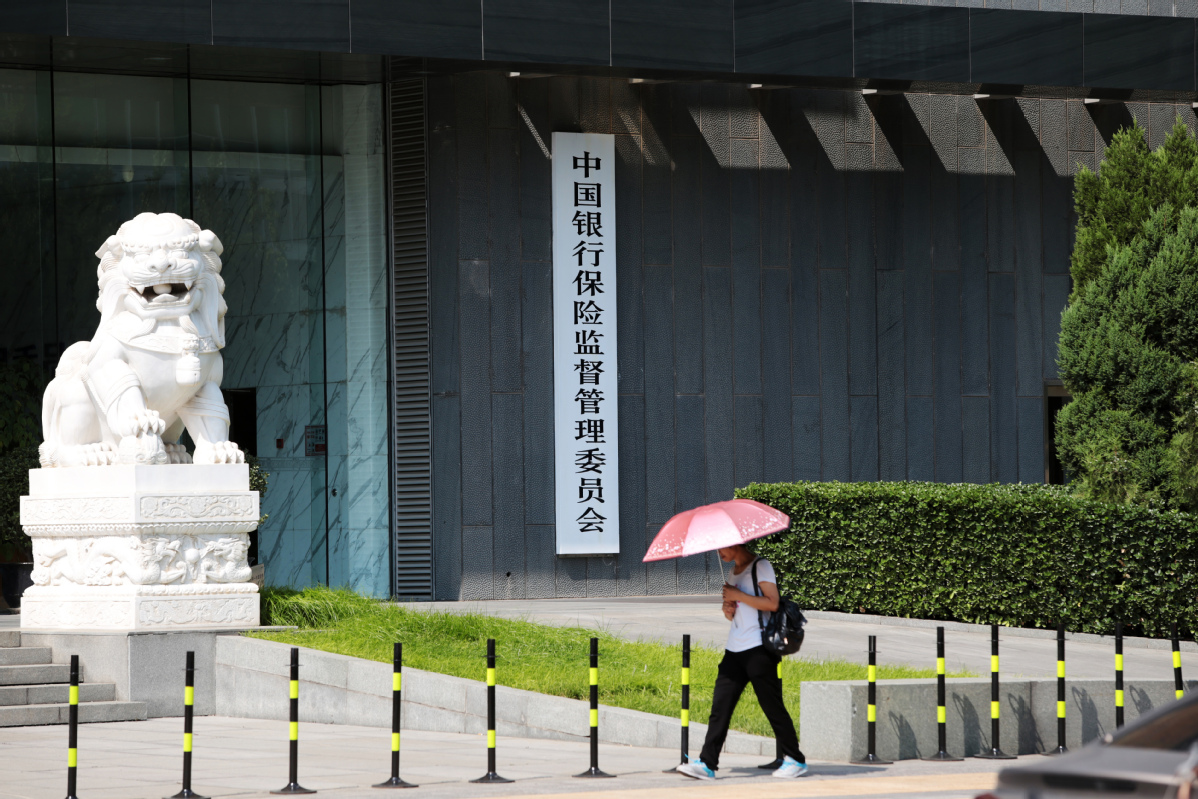
China has allowed asset investment companies controlled by banks to set up investment plans with debt-to-equity swaps as underlying assets for the purpose of expanding sources of funding for lenders so they can invest in such debt-to-equity swaps.
Asset investment companies (AICs), subsidiaries established by banks to conduct debt-to-equity swaps, can now raise funds for the investment plans through private sales to qualified investors including insurance and pension funds, according to rules announced by industry regulator the China Banking and Insurance Regulatory Commission (CBIRC).
The regulator required AICs to set up investment plans with either a singular market-oriented debt-to-equity swap or a portfolio as underlying assets.
For a portfolio investment, market-oriented debt-to-equity swaps, including convertible bonds, debt-to-equity special bonds, ordinary shares, preferred shares and debt-to-preferred shares, should account for no less than 60 percent of net assets in the investment plan.
The new rules will drive more funds into the debt-to-equity swap market and largely expand the capacity of AICs to conduct such business by relieving them of their capital constraints, said Zeng Gang, deputy director-general of the National Institution for Finance and Development.
"The introduction of more private capital will be in favor of sustainable development of debt-to-equity swaps, which need diversified, long-term funds at proper costs," Zeng said.
All of the five largest State-owned commercial lenders by assets set up their own AICs after the regulator sought public opinions on regulations for entities established by banks to conduct debt-to-equity swaps in 2017. The aim is to reduce high corporate leverage, resolve financial risks and support overall economic growth.
Major funding sources of AICs include their self-possessed funds, the issuance of financial bonds, funds provided by the parent bank, and about 500 billion yuan ($70.6 billion) released by targeted cuts in reserve requirement ratios of the Big Five State-owned commercial banks and the 12 national joint-stock commercial lenders in July 2018.
In the past, AICs relied heavily on the parent bank for funding. This put capital pressure on the parent bank, making it difficult for AICs to expand their business.
"One of the pain points restricting the development of asset investment companies is that it is hard to meet the current regulatory requirements on capital adequacy ratios while promoting their business growth at the same time," Zeng said.
"After the regulator gave AICs the green light to conduct asset management business, investment plans with debt-to-equity swaps as underlying assets are allowed not to be included in assets on the balance sheet and will no longer lead to capital consumption. This will significantly expand the potential space for debt-to-equity swaps."
The CBIRC said the investment plans should be managed as closed-end funds.
To provide greater liquidity, the regulator allowed investors to transfer shares during the closed period through the China Banking Wealth Management Registration and Depository Center and other places it recognized.
After the transfers, the total number of qualified investors holding shares of the investment plan is limited to 200.
Under the new rules, a qualified investor as a natural person should have more than four years of investment experience and meet one of the following requirements: his household net financial assets are no less than 5 million yuan; his household financial assets are no less than 8 million yuan; or his average annual income is at least 600,000 yuan in the last three years.
Qualified investors as legal entities should record no less than 20 million yuan of net assets at the end of the previous year.
The regulator also set the investment threshold for a singular investment plan with debt-to-equity swaps as underlying assets at 3 million yuan.
These requirements are higher than those on qualified private equity fund investors.
Liao Yuanyuan, deputy head of the financial innovation supervision department of the China Banking and Insurance Regulatory Commission, said as risks associated with debt-to-equity swaps are relatively high, the regulator has raised the standards for qualified investors at the early stage of development of this business to control risks effectively.
Apart from ensuring that asset management will better support the implementation of debt-to-equity swaps, the new rules will also promote the sound and orderly development of the AIC's asset management business, Liao said.
By the end of 2019, the volume of investments in market oriented debt-to-equity swaps exceeded 1.4 trillion yuan, according to China's central bank.



















