China makes major breakthrough in poverty alleviation









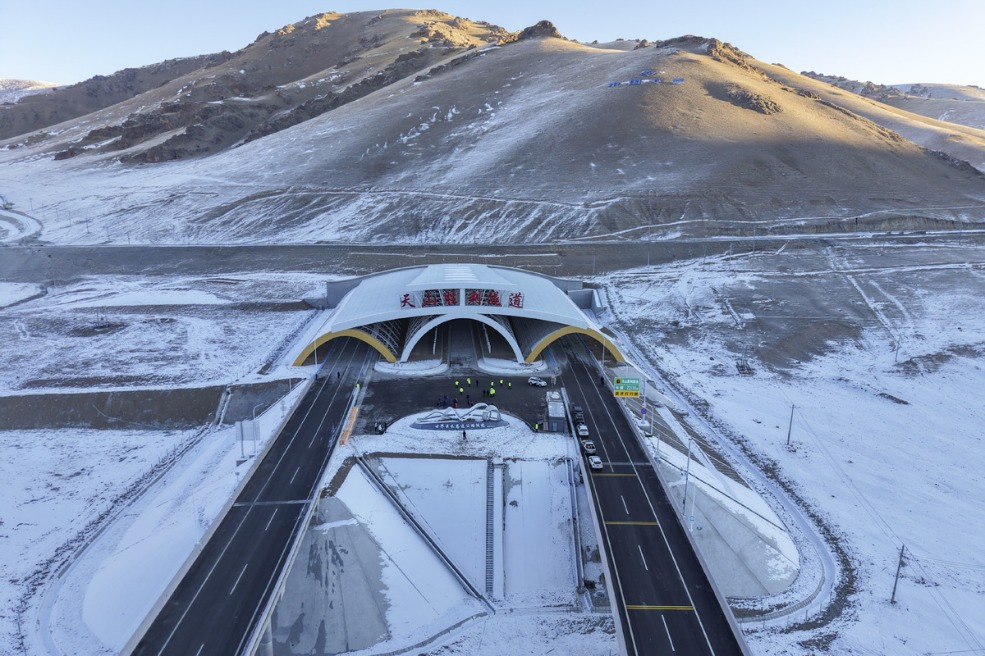
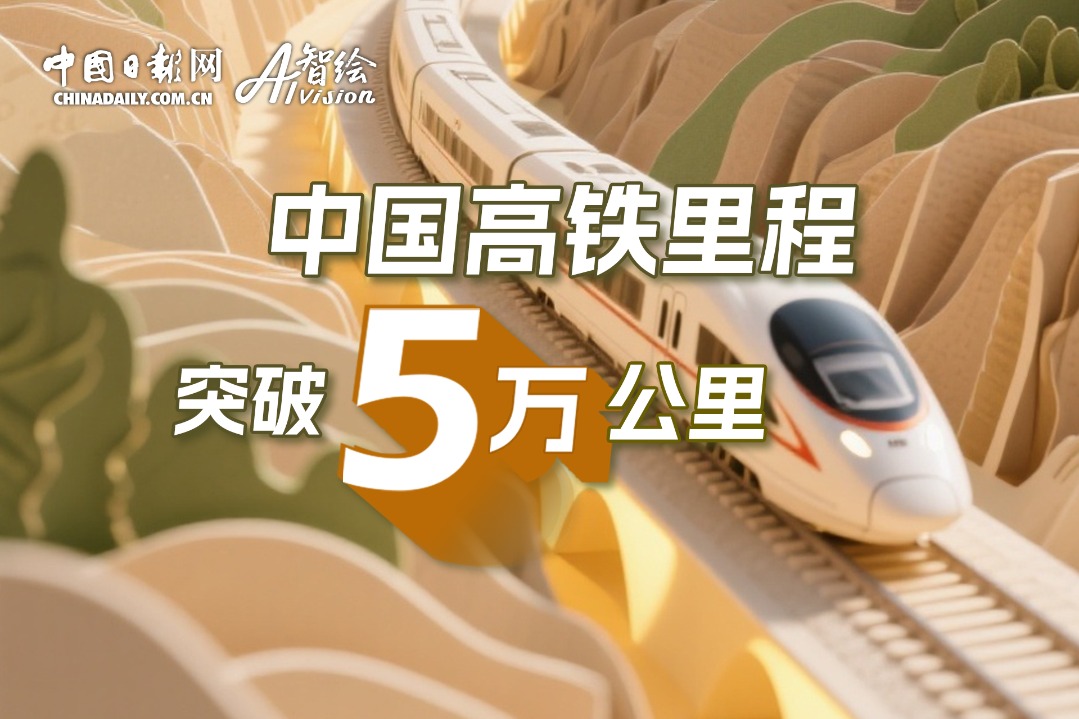
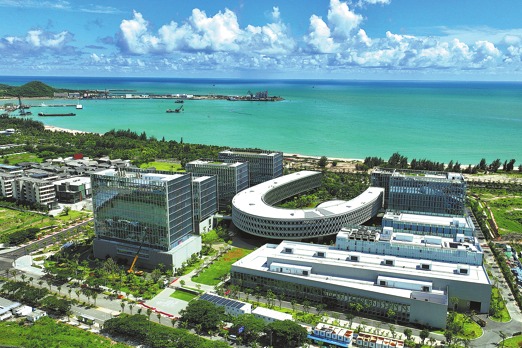
China today, for any visitor who remembers the country from 20 or 30 years ago, seems hardly recognizable. One of the government’s greatest accomplishments is poverty alleviation. Instead of collective poverty, there are skyscrapers, new airports, highways, railway stations, and bullet trains.
The 70th anniversary of the People’s Republic of China, celebrated on October 1, offered a moment to reflect on the country’s journey from humble beginnings to a powerhouse on the world stage. The country has gone from being one of the world’s weakest economies to one of its strongest.
Before 1978, China’s per-capita income was only one-third of the countries in Sub-Saharan Africa, with an economy aggregated less than five percent the size of the world economy and with 80 percent of the country’s population living under the poverty line. But everything changed since the reform and opening-up policy, launched by Deng Xiaoping.
From 1980 onward, China worked on opening up its markets to the outside world, and lifted more than 700 million people out of absolute poverty through the reform strategy. China has maintained an average economic growth of 9.7 percent for more than three decades, and its GDP exceeded $10 trillion in 2016, 28 times as much as 1979. China’s per-capita income surpassed the United States in 2014, and its 40 years of achievements are almost second to none. Transportation routes and people’s access to electricity and telecommunication have been promoted tremendously within the last 40 years.
From an agrarian economy to global superpower in half a century, China’s transformation has been an economic success story unlike any other. Today, China is the world’s second-largest economy, accounting for 16 percent of the $86 trillion global GDP in nominal terms.
Refusing to be the world’s “factory” any longer, China has become a global manufacturing center and shifted onto the fast track towards industrialization.
China is going to ensure that, by 2020, all rural residents living below the current poverty line will be out of poverty, which is currently 10 years ahead of the United Nations 2030 agenda.
As the first developing country to achieve the UN Millennium Development Goals in poverty reduction, China has contributed greatly to the global fight against poverty, and provided Chinese wisdom and solutions to the world.
China became a key engine of world economic growth as developed countries licked their wounds after the 2008 global financial crisis. The Chinese economy not only weathered the crisis, it also grew so robustly as to emerge as the single most potent source of support for global recovery.
To achieve its goals, the Chinese government has focused on developing the economy through local industries, combating corruption within the poverty-alleviation efforts and making changes to the education and healthcare systems. In other words, Chinese President Xi Jinping stressed that the targeted poverty alleviation strategy should follow a five-batch policy, which includes industrial development, relocation, eco-compensation, education and social security.
There have been many significant driving factors behind China’ economic rise. First, the reform and opening-up policy paved the ground for foreign investment in China and promoted the country’s imports and exports. Second, a massive network of factories, which churned out everything from toys to mobile phones for customers all over the world. Another characteristic that has marked China’s economic rise is the growth of private firms, which were virtually nonexistent prior to 1978. That is, while State-owned enterprises are still a large contributor to the country’s economic engine, private firms make more than half China’s GDP.
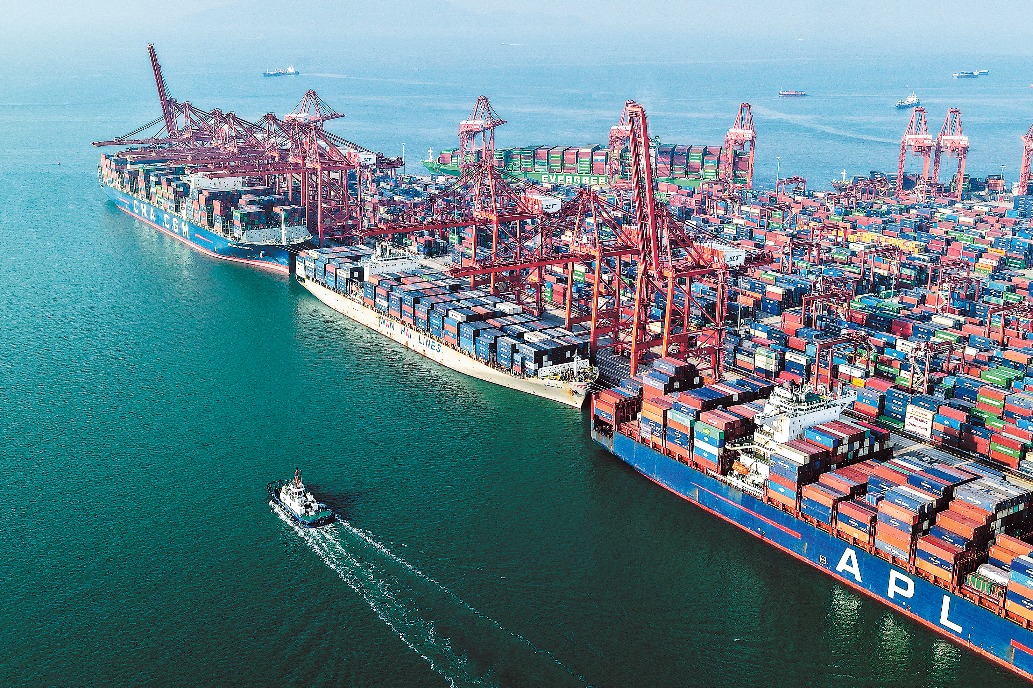
This article will be incomplete if I do not mention the construction of infrastructure, such as coastal ports and highways, which allowed delivery of goods to the United States in as few as 18 days, compared with 28-45, for example, in Sri Lanka. Moreover, the reduction in China’s own tariffs made inputs – machinery, raw materials, and so on – cheaper for Chinese manufacturers, thereby enhancing their competitiveness in world markets.
China is willing to share the fruit of its reform and opening-up policy with the rest of the world so that all can enjoy freedom. The world should learn from China to reinforce their commercial exchanges through opening wider, adhering to multilateralism, creating incentives for foreign investment, and establishing more trade routes to enhance connectivity. As a Chinese saying goes, “If you want to be rich, you must build roads at first.”
The author is an Afghan journalist and freelance writer.
The opinions expressed here are those of the writer and do not represent the views of China Daily and China Daily website.