Shenzhen at the heart of China’s early reform and opening-up









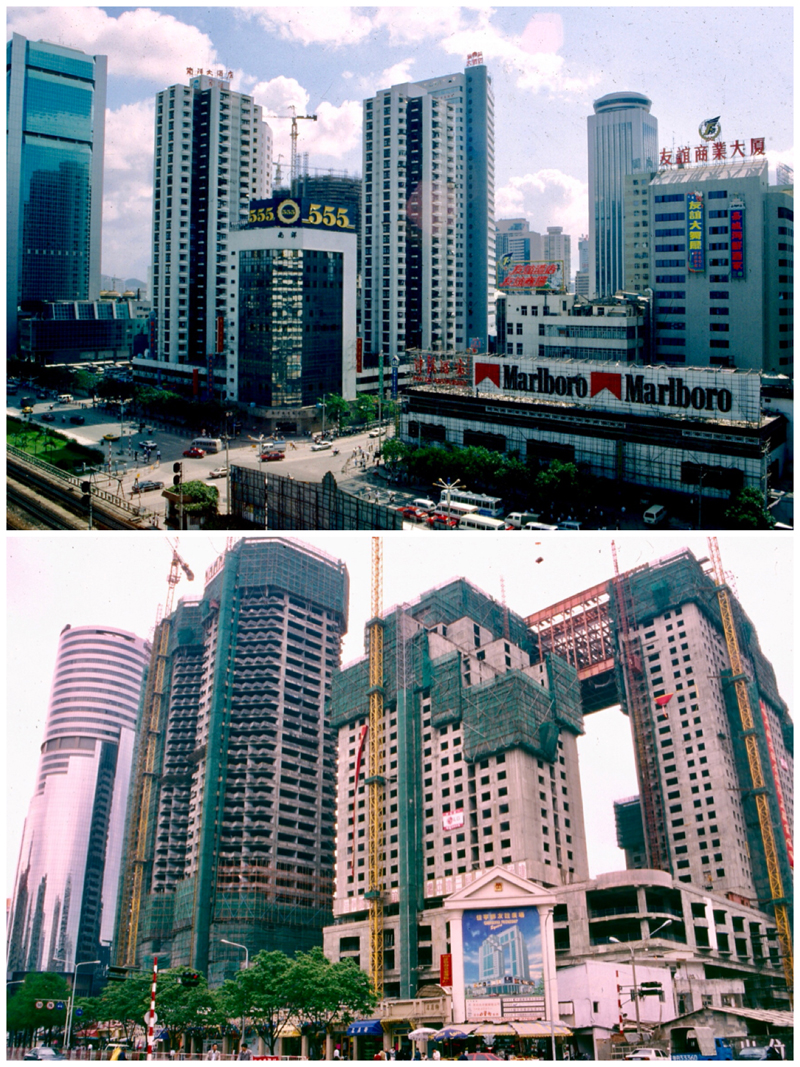
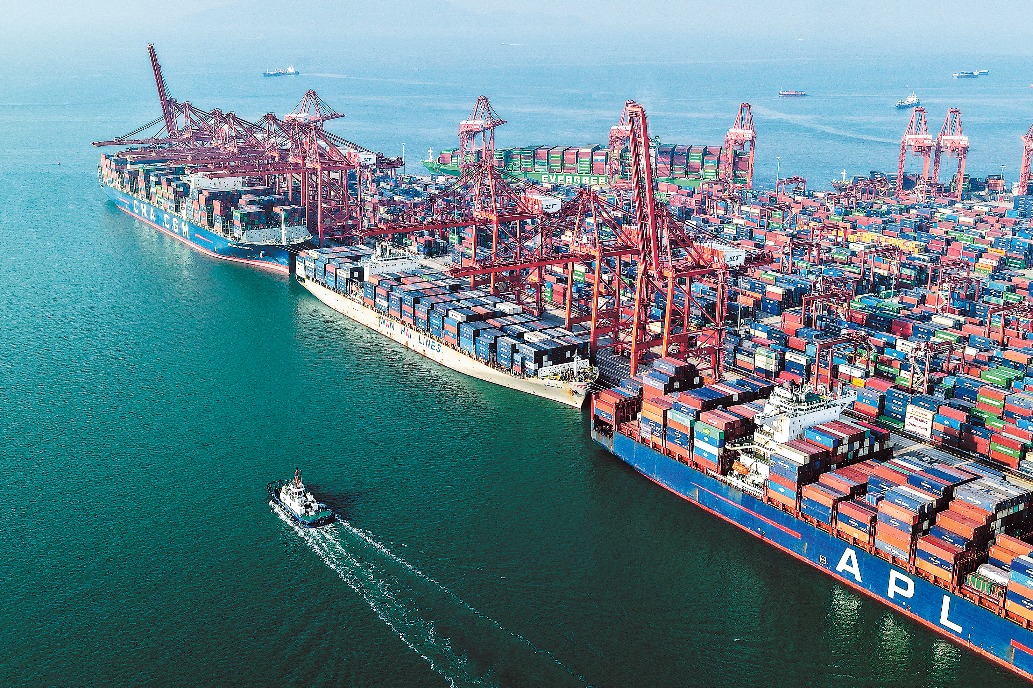
In the later 1970's it was increasingly apparent that China, a country of great potential and rich in resources, had fallen back in terms of development. The contrast at that time, for example with Hong Kong was stark. How to generate growth, how to change much that was a "command economy" into a more market driven system that would lead to growth was challenging, particularly for a country the size of China. Experimentation, initially within small geographical areas, was necessary to see what would work and importantly, what would fail, before rolling out such reforms nationwide. An idea conceived was to establish Special Economic Zones (SEZ) where preferential investment and taxation policies would apply in the hope of attracting international capital and indeed companies relocating to China. Four such zones were officially established on August 26, 1979. They were Zhuhai, bordering Macau; Shantou in eastern coastal Guangdong; Xiamen in Fujian and of course Shenzhen. The latter bordered Hong Kong with its strong business-related environment, considerable capital resources and its strong family, cultural and linguistic affinity with Guangdong. With a focus on producing processed goods for export Hong Kong initially offered access to excellent harbor facilities. Shenzhen eventually created its own massive container terminal, now one of China's busiest.
Initial results proved remarkable. During the period 1981 to 1993 Shenzhen showed an amazing economic growth up to 40 percent. In the early days Hong Kong factories relocated to areas around Shenzhen with its greater availability of land, preferential investment policies and at that time, a much cheaper labor force. Over time, of course, growth gradually slowed from this breakneck pace. To fulfill its goals, the city attracted a workforce drawn from across China skilled in technology, business, scientific research and development. Today innovation is a primary growth driver. Many construction workers also moved in. For those lucky enough to be part of Shenzhen the rewards were considerable with salaries often several times higher than national averages. Interesting that the city became an area of mostly standard Chinese putonghua speech surrounded by predominantly local Cantonese speakers.
However rapid growth also brought with it problems. The initial SEZ, bordering Hong Kong was a relatively small area compared to today's city. Special permits were at that time required to live and work within the zone. Many, many people, attracted by the lifestyles and apparent wealth of the area migrated in large numbers from much less developed inland provinces. Often unable to access the SEZ, many found work in the mass-production factories then spreading particularly throughout the eastern Pearl River Delta towards Guangzhou. In turn they became major growth drivers for what became "boom cities" such as Dongguan. The migrant flow, which I personally witnessed in Guangzhou during the early '90's put an almost unbearable strain on the railway system, particularly during the Spring Festival homeward rush. Consequently new railway lines were laid. Guangzhou East station, connecting to Shenzhen and Hong Kong, was rebuilt in the mid 1990’s to be then one of China's largest. Train speeds were also raised with modern rolling stock introduced. Connectivity was vital for growth and through '92/93 I watched, right outside my residence in Guangzhou, relentless road construction. This included a major expressway project linking Shenzhen and Hong Kong with Guangzhou. Initially Hong Kong's Kai Tak airport served as an entry into much of southern China. Guangzhou's older Baiyun Airport then had few international flights. However, Shenzhen to improve its appeal and infrastructure opened its own airport in 1991, today one of China's busiest.